A meat grinder stands as an indispensable tool in any kitchen, transforming raw ingredients into fresh, custom-ground meat for a myriad of culinary creations. Yet, like any workhorse appliance, its longevity and optimal performance hinge significantly on proper care and diligent maintenance. Neglecting this crucial aspect can lead to unpleasant odors, compromised food safety, reduced efficiency, and premature equipment failure. This comprehensive guide will equip you with the essential maintenance tips to ensure your new meat grinder consistently delivers high-quality results, remains hygienic, and serves you reliably for years to come.
An Overview of Your Meat Grinder
A meat grinder is a mechanical device designed to finely chop or “grind” meat by forcing it through a cutting plate. This process creates ground meat suitable for burgers, sausages, meatballs, and various other dishes, offering freshness and control over ingredients that pre-packaged alternatives often lack.
The technology behind meat grinders has evolved considerably, from early hand-cranked models to the powerful electric and industrial units available today. While basic functionality remains, modern grinders boast enhanced features, materials, and safety mechanisms. Understanding the core components—including the hopper, auger (feed screw), blade, grinding plate, and motor—is fundamental to effective maintenance, as each plays a vital role in the grinding process and requires specific attention.
Generally, meat grinders fall into a few categories:
- Manual Meat Grinders: Simple, hand-operated devices, ideal for occasional home use and smaller batches. They are typically easy to clean and store.
- Electric Meat Grinders: The most common type for home and light commercial use, featuring an electric motor to power the auger. They vary in power and capacity, offering convenience and speed.
- Industrial Meat Grinders: Large, heavy-duty machines designed for high-volume commercial and industrial meat processing, built for durability and continuous operation.
Mastering Essential Meat Grinder Maintenance
Proper maintenance is not just about extending the life of your appliance; it’s a critical aspect of food safety and ensuring the quality of the meat you process. A well-maintained grinder performs efficiently, prevents cross-contamination, and saves you from costly repairs or replacements.
The Importance of Immediate Post-Use Cleaning
Table is empty.Cleaning your meat grinder immediately after each use is the single most important maintenance step you can take. Raw meat, with its fats and proteins, can quickly become a breeding ground for harmful bacteria if residues are left behind. This can lead to serious foodborne illnesses, cross-contamination, and unpleasant odors that permeate your kitchen. Beyond hygiene, lingering meat particles can dry and harden, making future cleaning difficult and potentially damaging the internal components. Regular, prompt cleaning also prevents rust and corrosion on metal parts and helps maintain the sharpness of your blades, ensuring your grinder continues to operate at peak efficiency.
Step-by-Step Cleaning and Sanitization
Thorough cleaning and sanitization are non-negotiable for any meat grinder. Always prioritize safety during this process.
- Safety First: Before beginning any cleaning, always ensure your meat grinder is unplugged from the electrical outlet to prevent accidental activation. It is also advisable to wear cut-resistant gloves when handling sharp blades and grinding plates.
- Disassembly: Carefully take apart all detachable components that come into contact with meat. This typically includes the hopper, pusher, feed screw (auger), blade, grinding plate, and retaining ring. Refer to your owner’s manual for specific disassembly instructions, especially for unique models.
- Pre-Rinse: Immediately rinse all disassembled parts under warm (approximately 45°C-55°C) running water. This helps remove loose meat residue and fats before they can dry and become stubborn. Avoid using boiling water initially, as it can “cook” proteins onto metal surfaces, making them harder to remove.
- Wash with Soap: Fill a basin with warm, soapy water using a mild, food-grade dishwashing liquid. Soak the disassembled parts for 10-15 minutes to loosen any stubborn food particles. Then, use a soft-bristled brush or sponge to thoroughly scrub each part, paying extra attention to the grinding plate holes and blade edges where residue tends to accumulate. A small bottle brush or even a toothbrush can be effective for hard-to-reach areas.
> “Many grinder parts, especially aluminum, can oxidize or pit in dishwashers. Hand-washing is almost always the safest and most effective method.”
— John Smith, Culinary Equipment Specialist
Note: Unless explicitly stated by the manufacturer, avoid washing meat grinder parts in a dishwasher, as harsh detergents and high heat can damage finishes and cause oxidation, particularly on aluminum components. - Rinse Thoroughly: Rinse all components under clean, running water to remove all soap residue and food particles. Ensure no suds or debris remain, as this can affect sanitization.
- Sanitize: To kill any remaining bacteria, sanitize the parts. A common method is to wipe or soak the components in a mild bleach solution (e.g., one tablespoon of unscented bleach mixed with one gallon of water) for the recommended contact time, typically a few minutes. Alternatively, a food-safe sanitizing spray can be used. After sanitizing, rinse the parts thoroughly with clean water to remove any chemical residue.
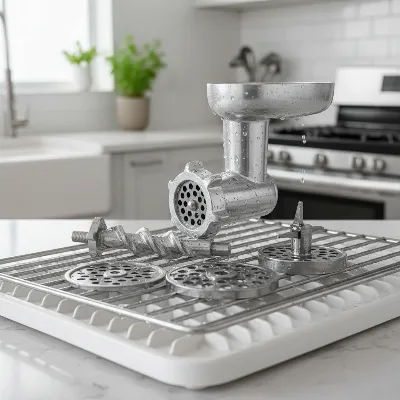
- Dry Completely: This is a crucial step for preventing rust and bacterial growth. After rinsing, towel-dry each part with a clean cloth. Then, allow them to air dry completely on a rack before reassembling or storing. Moisture is a prime contributor to rust, especially on steel components.
- Clean Exterior: Wipe down the motor housing and exterior of the grinder with a damp cloth, followed by a dry one. Ensure no water enters the motor area.
- Reassembly: Once all parts are thoroughly dry, carefully reassemble the meat grinder according to the manufacturer’s instructions. Crucially, ensure the blade is installed correctly—the flat side of the blade should always face the grinding plate to achieve a clean cut and prevent motor strain.
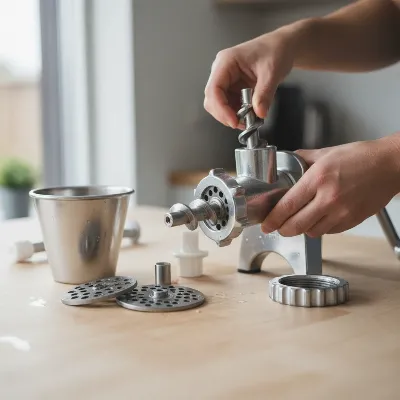 A user carefully disassembling a meat grinder into its individual components for cleaning, with parts laid out on a clean surface
Lubrication for Smooth Operation and Protection
Lubrication is vital for reducing friction, minimizing wear, and protecting the metal components of your meat grinder from corrosion. It contributes significantly to the machine’s efficiency and lifespan.
- Why Lubricate: Moving parts within the grinder, such as gears, the auger, and blades, experience friction during operation. Lubrication creates a protective barrier, preventing metal-on-metal wear, reducing strain on the motor, and ensuring smoother, quieter operation. It also acts as a rust inhibitor, especially for parts stored in humid environments.
- Types of Lubricants: Always use food-grade lubricants that are NSF-approved and safe for contact with food. Common options include:
- Food-grade mineral oil: An odorless, tasteless, and non-toxic traditional choice that provides good lubrication.
- Food-grade silicone spray: Popular for its high-temperature resistance, non-stick properties, and ability to form a protective, rust-preventing layer.
- Specialized meat processing lubricants: Some brands offer lubricants specifically designed for meat equipment, providing enhanced protection against rust and wear.
- When and Where to Apply: After cleaning and thoroughly drying your metal components, apply a thin, even layer of food-grade lubricant. Focus on the auger, the grinding blade, the grinding plate, and any other metal-on-metal contact points as specified in your manual. Some lubricants can also be applied before grinding to help meat move smoothly.
- Frequency: While a comprehensive lubrication might be done every few months or after prolonged storage, it’s beneficial to lightly oil the grinding plate and blade after each wash and complete drying, especially if they are made of carbon steel prone to rust.
Regular Inspections and Blade Care
Regular inspection of your grinder’s components and proper blade care are essential for consistent performance and preventing common issues.
- Inspect Parts: Before and after each use, visually inspect all components. Check blades and grinding plates for any signs of dullness, nicks, or chips. Examine screws and fastenings to ensure they are tight and secure. Look for any visible signs of rust on metal parts or cracks in plastic components. Early detection of wear can prevent more significant damage.
- Blade Sharpening: Dull blades are a common cause of poor grinding performance. Instead of cleanly cutting meat, dull blades will tear and smear it, resulting in a mushy texture, uneven particle size, and increased strain on the motor.
- Signs of Dullness: If your grinder struggles, the motor sounds labored, or the meat comes out more “smeared” than cleanly cut, your blades likely need attention.
- DIY Sharpening Method (Sandpaper): For home users, sharpening blades and plates with fine-grit sandpaper on a flat surface is an effective method.
- Preparation: Gather various grits of waterproof sandpaper (e.g., 220, 400, 800, 1500), a perfectly flat surface (like a thick piece of plate glass or granite tile), and food-safe oil. Always wear cut-resistant gloves.
- Blade & Plate Together: It’s crucial to sharpen both the blade and the grinding plate as they are a matched set that wear together.
- Process: Lay the coarsest grit sandpaper (e.g., 220) flat on your surface. Apply a light spray of water or oil. Using a permanent marker, color in the flat, forward-facing side of the blade and the entire surface of the grinding plate.
- Sharpening: Rub the blade and plate in a figure-eight motion across the sandpaper until all the marker ink is gone, indicating the entire surface has been evenly ground. Apply light, even pressure.
- Progression: Progress to finer grits (400, then 800, then 1500) to polish the surfaces and refine the cutting edges.
- Deburring: After the finest grit, a burr (a tiny curl of metal) may form. Gently remove it by running the edge over cardboard or performing a few very light strokes on the finest grit sandpaper at a slightly different angle.
- Professional Sharpening: For commercial grinders, or if you’re uncomfortable with DIY methods, professional sharpening services can restore blades to optimal condition.
- Replacement: Blades and plates have a finite lifespan. If they are heavily worn, chipped, or cannot be adequately sharpened, replacement is necessary to maintain performance and prevent damage to the grinder’s motor.
Proper Storage for Longevity
How you store your meat grinder significantly impacts its condition and readiness for the next use.
- Dry Environment: Always store your fully cleaned, dried, and lubricated meat grinder and its components in a cool, dry place. Moisture is the primary enemy, leading to rust and corrosion, especially on unprotected metal surfaces.
- Organized Storage: Keep all parts together, perhaps in a dedicated container or the original box, to prevent loss or damage. For optimal rust prevention, some recommend wrapping oiled metal plates and blades in oil-soaked paper or storing them in a sealed bag.
Troubleshooting Common Meat Grinder Problems
Even with the best maintenance, you might encounter occasional issues. Knowing how to diagnose and address common problems can save time and prevent more serious damage.
- Grinder Clogging: This is one of the most frequent problems.
- Causes: Feeding meat too quickly, using meat that is too warm, has too much fat, or contains excessive sinew and connective tissue.
- Solutions: Always partially freeze your meat (30-45 minutes) before grinding, as this firms the connective tissue and reduces friction. Cut meat into small, consistent 1-inch cubes to prevent overloading the feed tube. If a clog occurs, stop the grinder immediately, unplug it, disassemble the head, and carefully remove the blockage with a stiff brush. Never force meat through a struggling grinder.
- Overheating Motor: Continuous operation without breaks can lead to motor overheating, potentially causing damage.
- Causes: Grinding large quantities of meat continuously, or exceeding the manufacturer’s recommended run time.
- Solutions: Give your electric meat grinder regular breaks (e.g., 10-15 minutes after every 15-20 minutes of grinding, or longer if specified by the manual) to allow the motor to cool down. Ensure the grinder is used within its rated capacity.
- Dull Blades: (As discussed, dull blades tear meat instead of cutting it).
- Causes: Normal wear and tear from heavy use.
- Solutions: Sharpen or replace the blades and grinding plates as needed.
- Leakage: If you notice meat juices or oil leaking from the machine.
- Causes: Loose fittings, worn-out gaskets, or improper assembly.
- Solutions: Inspect for loose components and tighten them. Check gaskets for cracks or wear and replace if necessary. Ensure all parts are correctly aligned and secured during reassembly.
- Machine Won’t Start:
- Causes: Power issues, damaged cord, faulty switch, or internal electrical problems.
- Solutions: Check if the grinder is securely plugged into a working outlet. Inspect the power cord and plug for any visible damage. Ensure the power switch is in the “on” position. If these basic checks don’t resolve the issue, it may indicate an internal electrical fault requiring professional inspection.
- Grinding Metal-on-Metal Sounds: A harsh scraping noise indicates that metal components are rubbing against each other.
- Causes: Misaligned parts, the blade installed backward (flat side facing away from the plate), or worn bushings allowing excessive play in the auger.
- Solutions: Stop immediately and unplug the grinder. Disassemble and check the blade orientation (flat side always towards the grinding plate). Ensure the retaining ring is tightened correctly. If the sound persists, inspect the auger bushings for wear; worn bushings may require replacement.
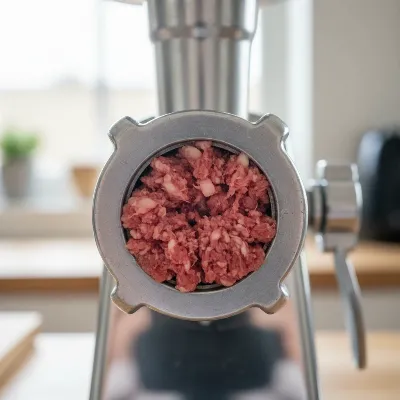 A close-up of a meat grinder's feed tube, showing meat clogging due to improper feeding or unchilled meat
Buying Guide: What to Consider for an Easy-to-Maintain Meat Grinder
When purchasing a new meat grinder, keeping maintenance in mind can save you significant effort and extend its operational life. Look for features that simplify cleaning, enhance durability, and ensure long-term performance.
- Material Quality: Stainless steel components are generally superior for maintenance. They are highly rust-resistant, durable, and easy to clean, making them a better choice than aluminum or cast iron, which can oxidize or rust more readily if not meticulously dried and oiled.
- Ease of Disassembly: Opt for models designed for quick and straightforward disassembly. The fewer tools required and the more intuitive the process, the more likely you are to clean it thoroughly after each use.
- Motor Strength and Design: A robust motor that isn’t easily strained will last longer and require less maintenance related to overheating. Consider grinders with good ventilation systems to prevent motor strain during extended use.
- Blade and Plate Availability: Research the availability and cost of replacement blades and grinding plates. Even well-maintained blades will eventually wear out, and easy access to spare parts is crucial for long-term usability. Some brands offer self-sharpening blades, which can reduce maintenance frequency.
- Brand Reputation and Warranty: Choose reputable brands known for quality construction and reliable customer service. A good warranty can provide peace of mind regarding potential defects or premature wear.
- User Manual Clarity: A comprehensive and easy-to-understand user manual is invaluable. It will provide specific instructions for assembly, disassembly, cleaning, and lubrication tailored to your specific model.
Conclusion
Your meat grinder is a significant kitchen investment, and its performance and lifespan are directly linked to the care you provide. By adhering to a consistent routine of immediate post-use cleaning, proper sanitization, regular lubrication, and vigilant inspection, you can prevent common problems, ensure food safety, and maintain the efficiency of your machine. Understanding how to troubleshoot minor issues and selecting a grinder with maintenance in mind further empowers you to get the most out of your appliance. With these essential maintenance tips, you’re not just prolonging the life of your grinder; you’re ensuring that every batch of ground meat is fresh, safe, and perfectly prepared. What are your favorite ways to ensure your meat grinder stays in top shape?
Câu Hỏi Thường Gặp
How often should I clean my meat grinder?
You should thoroughly clean and sanitize all detachable parts of your meat grinder immediately after every single use. This prevents bacterial growth, cross-contamination, and dried-on residue that can be difficult to remove and damage the machine over time.
Can I put meat grinder parts in the dishwasher?
Generally, it is not recommended to put most metal meat grinder parts, especially aluminum or cast iron components, in a dishwasher. Harsh detergents and high heat can cause oxidation, discoloration, and pitting. Always hand-wash these parts with warm, soapy water and dry them immediately.
What kind of oil should I use for lubricating my meat grinder?
Always use a food-grade lubricant for your meat grinder. Common choices include food-grade mineral oil or food-grade silicone spray. These products are safe for contact with food and help reduce friction, prevent rust, and ensure smooth operation.
How do I know if my meat grinder blades need sharpening?
Signs that your meat grinder blades need sharpening include the grinder tearing or smearing meat instead of cleanly cutting it, the motor straining more than usual, or the ground meat having an inconsistent, mushy texture. Regularly inspect the blade and plate for dullness or nicks.
Is it safe to grind bones in my meat grinder?
Only grind bones if your meat grinder is specifically designed for it, usually indicated by a powerful motor and robust, hardened steel components. Attempting to grind bones in a standard Meat Grinder can severely damage the blades, grinding plates, auger, and motor, voiding your warranty.