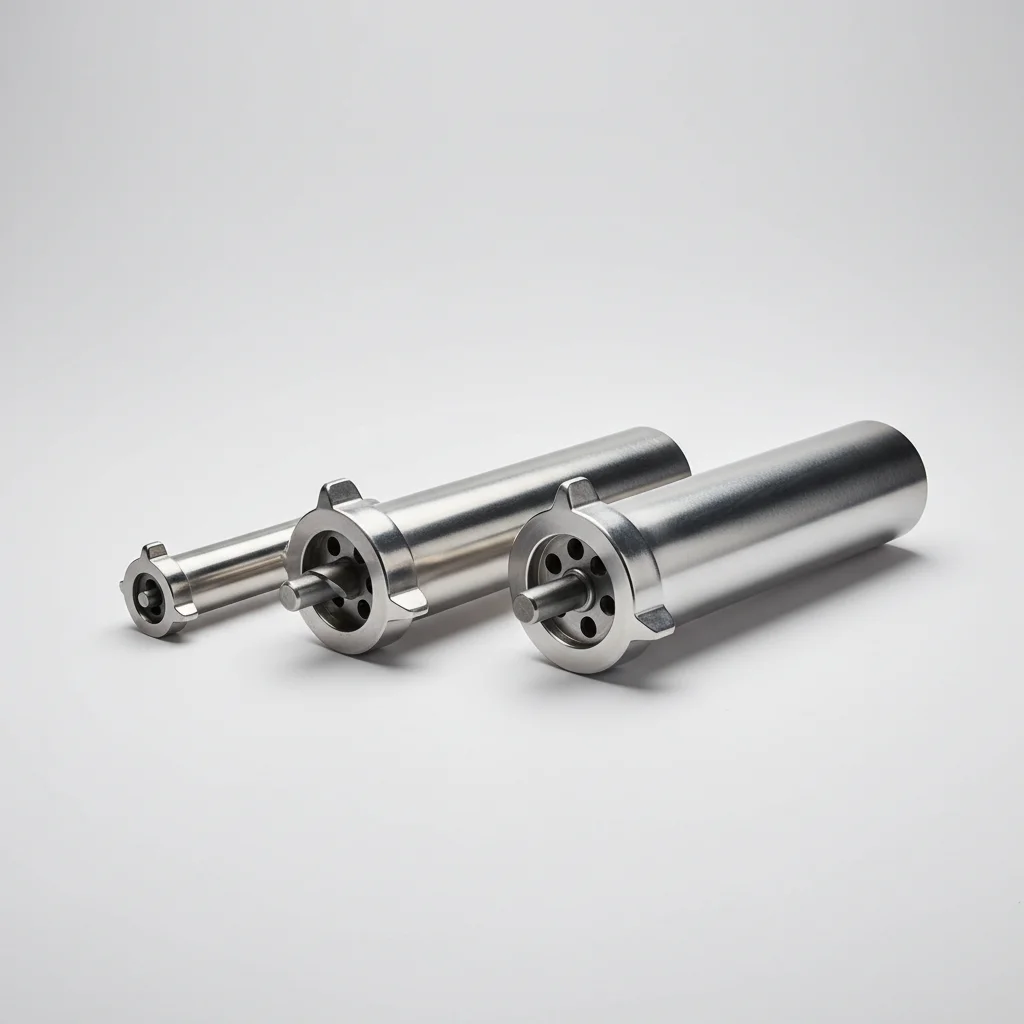
The ideal meat grinder feed tube diameter for most home users is between 2 to 2.5 inches (5 to 6.35 cm). This size offers a good balance between accommodating various meat cuts and maintaining a safe, efficient grinding process. For larger operations or specific tasks like processing whole poultry pieces, a wider feed tube up to 3 inches (7.62 cm) might be more suitable, while smaller tubes under 2 inches are typically found on compact or manual grinders and are best for pre-cut, smaller pieces of meat.
Understanding Feed Tube Diameter and Its Impact
The feed tube, also known as the throat or hopper opening, is where you introduce meat into the grinder. Its diameter directly influences the size of meat pieces you can feed without excessive pre-cutting. A wider feed tube reduces preparation time for larger cuts, making the grinding process faster and more convenient. Conversely, a narrower tube requires more meticulous pre-cutting, which can be time-consuming but might be acceptable for smaller batches or specific recipes. For expert meat grinder reviews on this site.
Beyond convenience, the feed tube’s size also affects safety. A tube that is too wide might tempt users to push meat with their hands, increasing the risk of injury. Most modern grinders incorporate a design where the feed tube is long enough and narrow enough to prevent hands from reaching the auger, even with a pusher. Always use the provided meat pusher to ensure safety.
Choosing the Right Diameter for Your Needs
Selecting the correct feed tube diameter depends heavily on your typical grinding tasks and the volume of meat you process. For general home use, a 2 to 2.5-inch diameter is versatile enough for most beef, pork, and chicken cuts. If you frequently process larger game like venison or whole chicken thighs, a 2.5 to 3-inch tube will significantly streamline your workflow. Smaller tubes, often found on entry-level or manual grinders, are best for those who only grind small quantities of pre-cut meat.
- 2.0 – 2.5 inches: Ideal for most home cooks, handling standard cuts of beef, pork, and chicken with minimal pre-cutting.
- 2.5 – 3.0 inches: Recommended for processing larger game, whole poultry pieces, or high-volume home grinding.
- Under 2.0 inches: Suitable for very small batches, manual grinders, or when processing finely diced ingredients.
- Over 3.0 inches: Typically found on commercial or heavy-duty grinders for industrial-scale processing.
Material and Design Considerations
|
Our Picks for the Best Meat Grinder in 2026
As an Amazon Associate I earn from qualifying purchases.
|
||
| Num | Product | Action |
|---|---|---|
| 1 | Electric Meat Grinder, Sausage Stuffer with 3 Sausage Tubes, 2 Blades, 3 Plates, 3200W Max, Meat Grinder Heavy Duty for Home Kitchen Use, Stainless Steel (Black) |

|
| 2 | VEVOR Commercial Electric Meat Grinder, 5 lbs/min Capacity, #8 Industrial Meat Mincer with 2 Stainless Steel Blades, 2 Grinding Plates, 600W Heavy-Duty Sausage Maker Stuffer, for Kitchen, Restaurant |
|
| 3 | Meat Grinder, Electric Meat Grinder with Sausage Stuffer Maker & Kubbe Kit, Metal-Body Meat Mincer with 3 Stainless Steel Grinding Plates & 2 Blades for Home Kitchen Using |
|
| 4 | AAOBOSI Meat Grinder Electric 3000W Max with Touch Color Screen, Auto-Reverse & Built-in Storage - 3 Speed Settings,Grinding, Sausage & Kibbe Making for Home Use, Stainless Steel |
|
| 5 | AAOBOSI Multifunctional Digital Meat Grinder Electric 3000W Max w/ 9 Touch Screen Presets, Auto-Reverse & Built-in Storage -Grinding, Sausage & Kibbe & Grate Cheese Making for Home Use |
|
| 6 | Camic Electric Meat Grinder - 300W Sausage Stuffer for Home Kitchen Use Meat Mincer with Stainless Steel 3 Plates, 1 Blade, Sausage Tube, Kubbe Maker |
|
| 7 | CHEFFANO Meat Grinder, 2600W Max Stainless Steel Meat Grinder Electric, ETL Approved Heavy Duty Meat Mincer Machine with 2 Blades, 3 Plates, Sausage Stuffer Tube & Kubbe Kit for Home Kitchen Use |
|
| 8 | AAOBOSI #12 Meat Grinder, [3000W] 3 Speed Meat Grinder Heavy Duty: Built-in Storage Box, 2 Blades,4 Plates,3 Sausage Stuffers,Kibbe Kit,Meat Claw & Burger Press, for Home & Kitchen Use |
|
| 9 | Cuisinart Electric Meat Grinder, Stainless Steel |
|
| 10 | Weston Electric Meat Grinder & Sausage Stuffer, #12 750 Watt, 1 HP Motor, Grinds 4 lbs Per Minute, Includes Stainless Steel Grinding Plates, Die-Cast Aluminum (33-1301-W) |
|
While diameter is crucial, the material and design of the feed tube also play a role. Stainless steel feed tubes are highly durable, resistant to corrosion, and easy to clean, making them a popular choice. Aluminum tubes are lighter but can react with certain foods and may not be as robust. Some grinders feature a plastic feed tube, which is generally found on more budget-friendly models and may not withstand heavy use over time.
The length of the feed tube is another important design aspect. A longer tube provides a safer distance between your hands and the internal grinding components. Some designs also incorporate a slight taper, which can help guide meat towards the auger more efficiently. Always look for a feed tube that is securely attached to the grinder body and free from sharp edges or burrs that could snag meat or pose a safety risk.
Optimizing Your Grinding Process with the Right Feed Tube
Even with the correct feed tube diameter, proper meat preparation is key to efficient grinding. Always cut meat into pieces that fit comfortably down the tube without forcing. Chilling the meat and grinder components before use can also significantly improve performance, preventing smearing and ensuring a cleaner grind. Avoid overfilling the feed tube; instead, feed meat in a steady, consistent manner to prevent jams and maintain motor longevity.
For those considering an upgrade or a new purchase, evaluating the feed tube diameter in relation to your typical grinding tasks is a critical step. Many manufacturers specify the feed tube dimensions, allowing you to make an informed decision. Remember that a well-matched feed tube can make a substantial difference in the ease, speed, and safety of your meat grinding experience.Investing in a grinder with an appropriately sized feed tube will enhance your overall satisfaction and efficiency in the kitchen.
