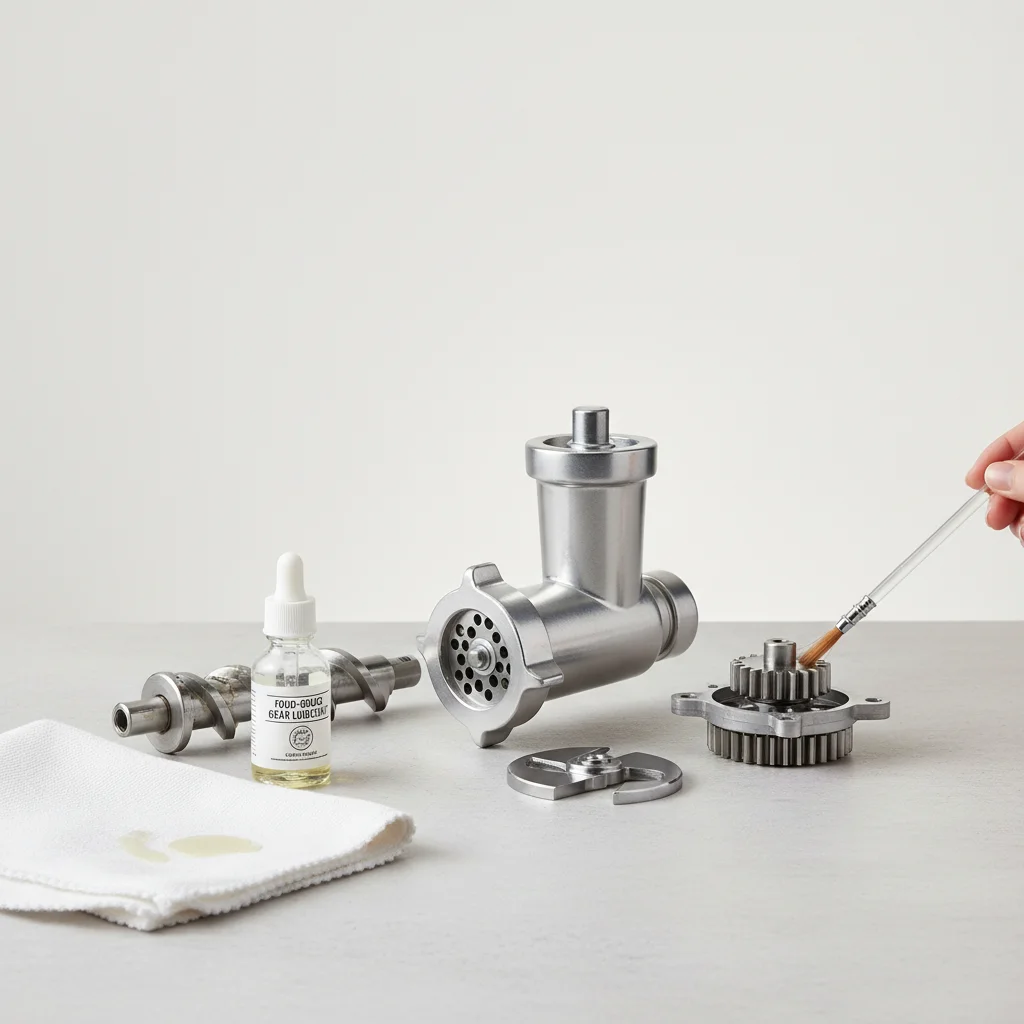
Proper meat grinder maintenance is crucial for its longevity and performance, and a key aspect often overlooked is the lubrication of its gears. For most home-use electric meat grinders, you should oil the gears every 6-12 months, or after every 20-30 hours of heavy use, whichever comes first. Commercial units, due to their more frequent and intensive operation, may require lubrication every 3-6 months. This regular oiling prevents friction, reduces wear, and ensures smooth operation, ultimately extending the life of your appliance.
Why Gear Lubrication is Essential for Your Meat Grinder
The gears within your meat grinder are the heart of its mechanical system, translating motor power into the rotational force that drives the auger. Without adequate lubrication, metal-on-metal friction can lead to premature wear, increased operational noise, and even complete gear failure. This friction also generates heat, which can degrade other internal components over time. A well-lubricated gearbox operates more efficiently, consuming less power and producing less strain on the motor. For best meat grinder roundups on this site.
Choosing the Right Lubricant: Food-Grade is Non-Negotiable
When it comes to lubricating any part of a meat grinder, especially internal components like gears, using a food-grade lubricant is absolutely non-negotiable. Standard industrial greases and oils contain chemicals that are toxic and unsafe for contact with food. Food-grade lubricants, often NSF H1 certified, are formulated to be safe in the event of incidental food contact. These lubricants are typically made from non-toxic base oils and additives, ensuring that no harmful substances contaminate your ground meat. Always check the product label for NSF H1 certification or explicit food-grade approval.
Steps for Lubricating Your Meat Grinder’s Gears
|
Our Picks for the Best Meat Grinder in 2026
As an Amazon Associate I earn from qualifying purchases.
|
||
| Num | Product | Action |
|---|---|---|
| 1 | Weston Electric Meat Grinder & Sausage Stuffer, #12 750 Watt, 1 HP Motor, Grinds 4 lbs Per Minute, Includes Stainless Steel Grinding Plates, Die-Cast Aluminum (33-1301-W) |

|
| 2 | AAOBOSI Meat Grinder Electric 3000W Max with Touch Color Screen, Auto-Reverse & Built-in Storage - 3 Speed Settings,Grinding, Sausage & Kibbe Making for Home Use, Stainless Steel |
|
| 3 | Cuisinart Electric Meat Grinder, Stainless Steel |
|
| 4 | Camic Electric Meat Grinder - 300W Sausage Stuffer for Home Kitchen Use Meat Mincer with Stainless Steel 3 Plates, 1 Blade, Sausage Tube, Kubbe Maker |
|
| 5 | VEVOR Commercial Electric Meat Grinder, 5 lbs/min Capacity, #8 Industrial Meat Mincer with 2 Stainless Steel Blades, 2 Grinding Plates, 600W Heavy-Duty Sausage Maker Stuffer, for Kitchen, Restaurant |
|
| 6 | Electric Meat Grinder, Sausage Stuffer with 3 Sausage Tubes, 2 Blades, 3 Plates, 3200W Max, Meat Grinder Heavy Duty for Home Kitchen Use, Stainless Steel (Black) |
|
| 7 | AAOBOSI Multifunctional Digital Meat Grinder Electric 3000W Max w/ 9 Touch Screen Presets, Auto-Reverse & Built-in Storage -Grinding, Sausage & Kibbe & Grate Cheese Making for Home Use |
|
| 8 | CHEFFANO Meat Grinder, 2600W Max Stainless Steel Meat Grinder Electric, ETL Approved Heavy Duty Meat Mincer Machine with 2 Blades, 3 Plates, Sausage Stuffer Tube & Kubbe Kit for Home Kitchen Use |
|
| 9 | Meat Grinder, Electric Meat Grinder with Sausage Stuffer Maker & Kubbe Kit, Metal-Body Meat Mincer with 3 Stainless Steel Grinding Plates & 2 Blades for Home Kitchen Using |
|
| 10 | AAOBOSI #12 Meat Grinder, [3000W] 3 Speed Meat Grinder Heavy Duty: Built-in Storage Box, 2 Blades,4 Plates,3 Sausage Stuffers,Kibbe Kit,Meat Claw & Burger Press, for Home & Kitchen Use |
|
Lubricating your meat grinder’s gears is a straightforward process, but it requires careful disassembly and reassembly. First, always unplug the unit from the power source. Consult your owner’s manual for specific instructions on how to access the gearbox. Typically, this involves removing the motor housing. Once the gears are exposed, clean away any old, degraded grease or debris using a clean cloth and, if necessary, a food-safe degreaser. Apply a thin, even layer of food-grade grease to the gear teeth. Avoid over-lubricating, as excess grease can attract dust and debris. Reassemble the unit carefully, ensuring all screws and components are securely fastened.
- Unplug the meat grinder from power.
- Consult manual for gearbox access.
- Clean old grease and debris thoroughly.
- Apply thin layer of NSF H1 food-grade grease.
- Reassemble securely.
Signs Your Meat Grinder Gears Need Attention
Several indicators suggest your meat grinder’s gears might be in need of lubrication or inspection. An increase in operational noise, such as grinding, squealing, or clunking sounds, is a primary sign of friction. Reduced grinding efficiency or the motor struggling more than usual to process meat can also point to gear issues. Visible wear on the gear teeth, if you can access them, or a burning smell during operation are serious red flags that require immediate attention. Addressing these signs promptly can prevent more extensive and costly repairs down the line. For a reliable food-grade lubricant, consider.
Extending Gear Life Beyond Lubrication
While lubrication is vital, other practices contribute to the longevity of your meat grinder’s gears. Avoid overloading the machine; forcing too much meat or hard ingredients through at once puts excessive strain on the gears. Ensure you are using the correct grinding plates for the task; coarser plates for tougher meats reduce stress. Regular cleaning of the grinding head and auger prevents buildup that can indirectly affect gear performance. Store your meat grinder in a dry, clean environment to prevent rust and corrosion. For replacement parts or upgrades, check out.
