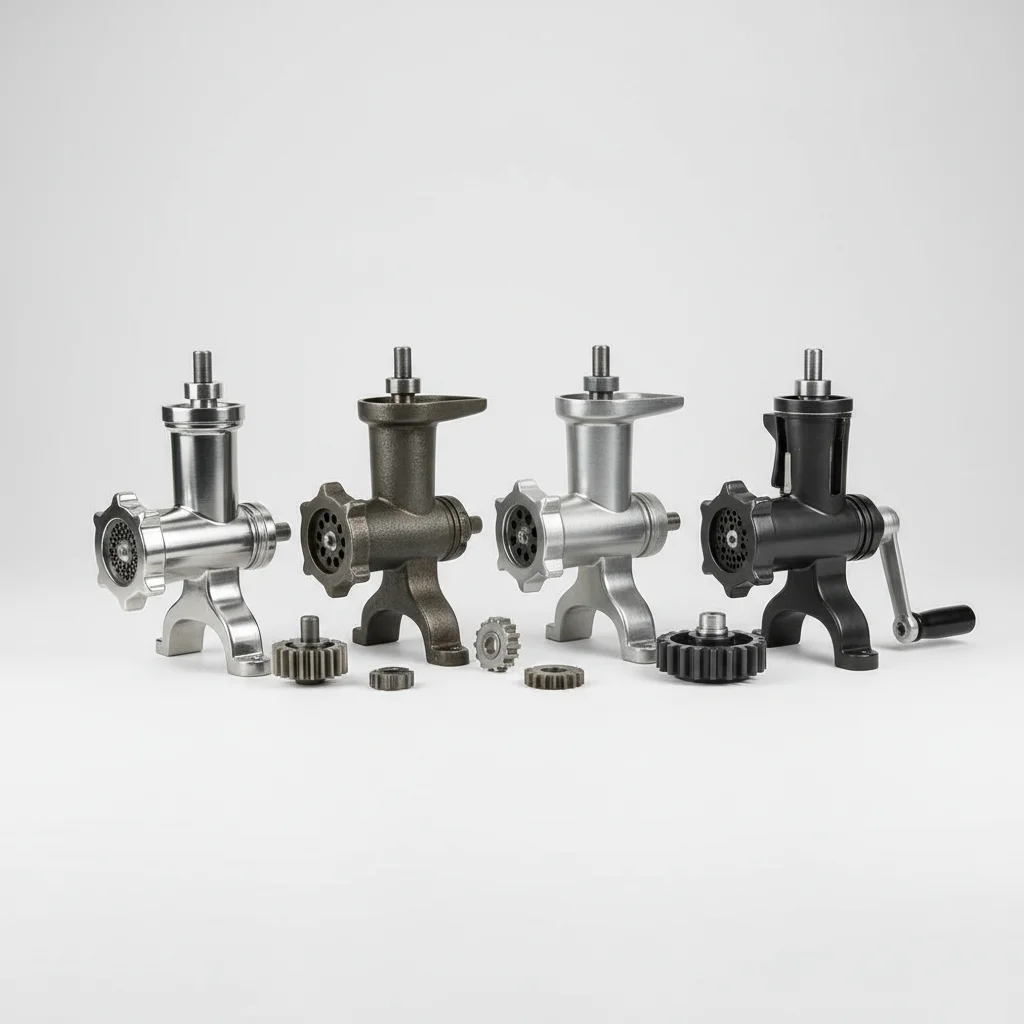
Choosing the right meat grinder material is crucial for both durability and food safety. The best material for a meat grinder, considering both longevity and hygiene, is typically stainless steel. This material offers superior resistance to rust, corrosion, and bacterial growth, making it ideal for food processing equipment that frequently comes into contact with raw meat and moisture.
Understanding Common Meat Grinder Materials
Meat grinders are commonly made from several materials, each with distinct advantages and disadvantages. Stainless steel is highly favored for its strength, non-reactive properties, and ease of cleaning. Cast iron, while incredibly durable and capable of handling heavy loads, requires meticulous seasoning and maintenance to prevent rust. Aluminum is lightweight and affordable but can react with certain foods and is less durable than steel or cast iron.
- Stainless Steel: Excellent for hygiene, rust-resistant, and very durable.
- Cast Iron: Extremely robust, but prone to rust if not properly maintained.
- Aluminum: Lightweight and affordable, but less durable and can react with acidic foods.
- Plastic (Food-Grade): Often used for housing or less critical components, easy to clean but not for grinding parts.
Stainless Steel: The Gold Standard for Meat Grinders
Stainless steel stands out as the top choice for meat grinder components that come into direct contact with food, such as the auger, plates, and blades. Its non-porous surface prevents bacteria from harboring, and it can withstand frequent washing and sanitization without degrading. This makes it a safer option for processing various types of meat, from poultry to beef, ensuring that no metallic taste or harmful contaminants transfer to your food.
When selecting a stainless steel grinder, look for models that specify food-grade stainless steel, such as 304 or 316. These grades are specifically designed for food contact applications and offer the best balance of corrosion resistance and strength. While stainless steel grinders might have a higher upfront cost, their longevity and superior hygiene often make them a more economical choice in the long run.
Cast Iron: A Traditional Choice with Specific Care Needs
|
Our Picks for the Best Meat Grinder in 2026
As an Amazon Associate I earn from qualifying purchases.
|
||
| Num | Product | Action |
|---|---|---|
| 1 | CHEFFANO Meat Grinder, 2600W Max Stainless Steel Meat Grinder Electric, ETL Approved Heavy Duty Meat Mincer Machine with 2 Blades, 3 Plates, Sausage Stuffer Tube & Kubbe Kit for Home Kitchen Use |

|
| 2 | Weston Electric Meat Grinder & Sausage Stuffer, #12 750 Watt, 1 HP Motor, Grinds 4 lbs Per Minute, Includes Stainless Steel Grinding Plates, Die-Cast Aluminum (33-1301-W) |
|
| 3 | VEVOR Commercial Electric Meat Grinder, 5 lbs/min Capacity, #8 Industrial Meat Mincer with 2 Stainless Steel Blades, 2 Grinding Plates, 600W Heavy-Duty Sausage Maker Stuffer, for Kitchen, Restaurant |
|
| 4 | Electric Meat Grinder, Sausage Stuffer with 3 Sausage Tubes, 2 Blades, 3 Plates, 3200W Max, Meat Grinder Heavy Duty for Home Kitchen Use, Stainless Steel (Black) |
|
| 5 | AAOBOSI Multifunctional Digital Meat Grinder Electric 3000W Max w/ 9 Touch Screen Presets, Auto-Reverse & Built-in Storage -Grinding, Sausage & Kibbe & Grate Cheese Making for Home Use |
|
| 6 | Camic Electric Meat Grinder - 300W Sausage Stuffer for Home Kitchen Use Meat Mincer with Stainless Steel 3 Plates, 1 Blade, Sausage Tube, Kubbe Maker |
|
| 7 | AAOBOSI Meat Grinder Electric 3000W Max with Touch Color Screen, Auto-Reverse & Built-in Storage - 3 Speed Settings,Grinding, Sausage & Kibbe Making for Home Use, Stainless Steel |
|
| 8 | AAOBOSI #12 Meat Grinder, [3000W] 3 Speed Meat Grinder Heavy Duty: Built-in Storage Box, 2 Blades,4 Plates,3 Sausage Stuffers,Kibbe Kit,Meat Claw & Burger Press, for Home & Kitchen Use |
|
| 9 | Cuisinart Electric Meat Grinder, Stainless Steel |
|
| 10 | Meat Grinder, Electric Meat Grinder with Sausage Stuffer Maker & Kubbe Kit, Metal-Body Meat Mincer with 3 Stainless Steel Grinding Plates & 2 Blades for Home Kitchen Using |
|
Cast iron meat grinders have been a staple in kitchens for generations, prized for their robustness and ability to handle tough grinding tasks. The sheer weight and density of cast iron contribute to its stability during operation. However, cast iron is highly susceptible to rust if not properly cared for. After each use, it must be thoroughly cleaned, dried, and seasoned with food-grade oil to create a protective barrier.
For those willing to commit to the maintenance, a well-cared-for cast iron grinder can last a lifetime. They are particularly popular among hunters and those who process large quantities of meat, where their heavy-duty construction is a significant advantage. Always ensure any cast iron grinder you purchase is pre-seasoned or be prepared to season it yourself before first use.
Aluminum and Plastic: Considerations for Specific Uses
Aluminum meat grinders are often more budget-friendly and lighter than their stainless steel or cast iron counterparts. They are suitable for occasional use and lighter grinding tasks. However, aluminum can be reactive with acidic foods, potentially imparting a metallic taste or discoloring the meat. It is also less durable and more prone to wear and tear over time compared to steel.
Plastic components, typically food-grade ABS or similar polymers, are common in entry-level grinders or as housing for electric models. While easy to clean and lightweight, plastic parts are not designed for the high-stress grinding components like the auger or blades. They are best suited for non-contact parts or accessories like hoppers and pushers. For critical grinding elements, always prioritize metal for performance and longevity.
Making the Right Material Choice for Your Needs
Ultimately, the best meat grinder material depends on your specific needs, budget, and willingness to maintain the equipment. For most home users seeking a balance of durability, hygiene, and ease of maintenance, a stainless steel meat grinder is the optimal choice. It offers peace of mind regarding food safety and will withstand years of regular use.
If you prioritize raw power and don’t mind the extra maintenance, a cast iron grinder can be an excellent, long-lasting investment. For occasional, light-duty grinding, an aluminum model might suffice, but be mindful of its limitations. Always consider the primary grinding components when evaluating materials, as these are where durability and food safety matter most.
For a reliable stainless steel option, consider the. If you’re looking for a robust cast iron model that will last generations with proper care, theis an excellent choice.
