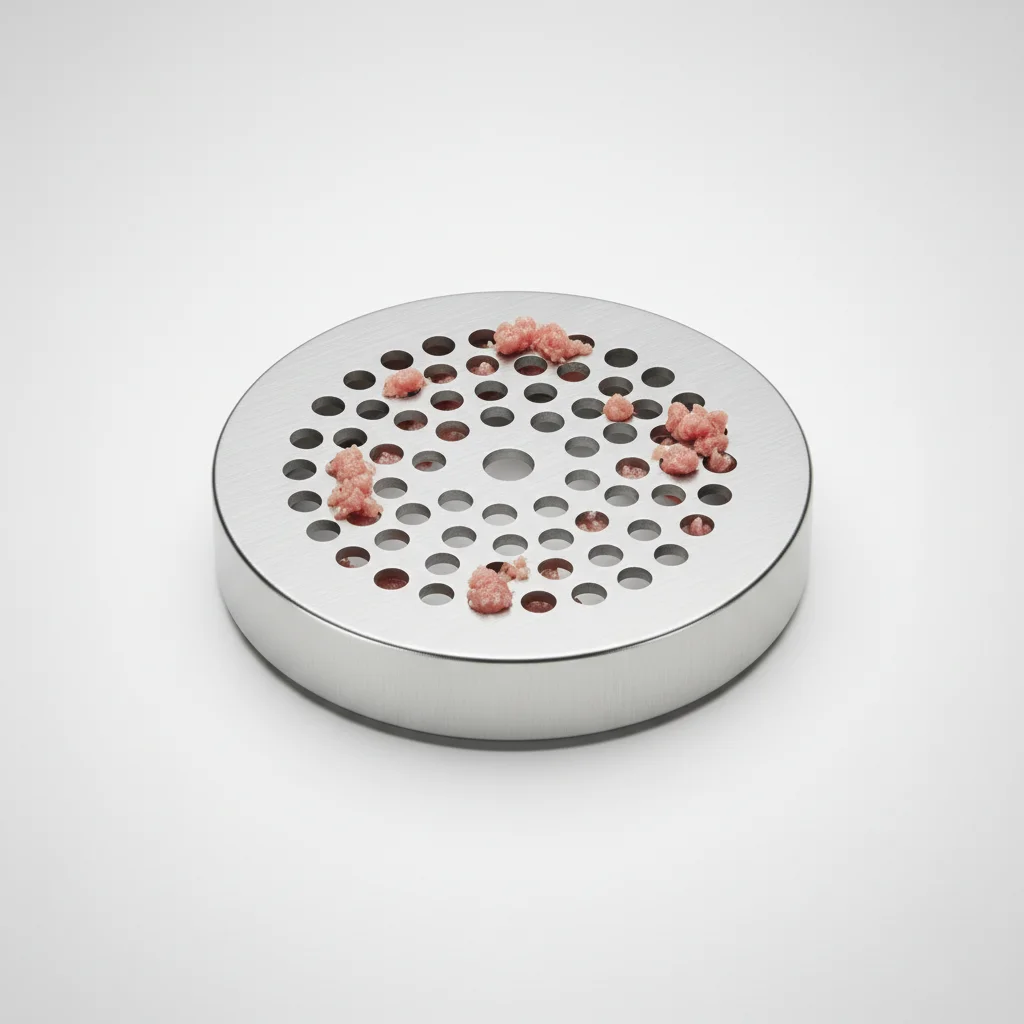
The meat grinder screen, also known as the grinding plate or die, significantly affects the texture of your ground meat. It determines the fineness or coarseness of the grind, with smaller holes producing a finer texture and larger holes yielding a coarser result. Understanding how different screen sizes impact your final product is crucial for achieving desired culinary outcomes, whether for delicate pâtés or hearty sausages.
Understanding Meat Grinder Screen Sizes
Meat grinder screens come in a variety of sizes, typically measured by the diameter of their holes. Common sizes range from very fine (e.g., 3mm or 1/8 inch) to coarse (e.g., 12mm or 1/2 inch). The choice of screen directly dictates the texture. A fine screen is ideal for applications like baby food, spreads, or very smooth pâtés, as it breaks down meat fibers into a paste-like consistency. Conversely, a coarse screen is preferred for chili, certain types of sausages, or ground beef where a more substantial, textured bite is desired. For compare top meat grinder on this site.
It’s important to match the screen size to the type of meat and the intended use. Using too fine a screen for tough cuts can lead to smearing rather than clean cutting, while too coarse a screen might not achieve the desired consistency for delicate preparations. Most home grinders come with at least two or three different screen sizes to offer versatility.
Impact on Meat Texture and Culinary Applications
The texture imparted by the meat grinder screen has a direct impact on the culinary application. For instance, a medium grind (around 4.5mm to 6mm) is often considered the most versatile for general-purpose ground meat, suitable for burgers, meatballs, and meatloaf. This size provides a good balance of texture and binding properties.
When making sausages, the screen size is critical for both texture and fat distribution. A coarser grind allows for distinct pieces of meat and fat, contributing to a more rustic texture, while a finer grind creates a smoother, more uniform sausage. For specific recipes like Italian sausage or breakfast sausage, a medium-coarse screen is often recommended to achieve the characteristic texture.
Choosing the Right Screen for Different Meats
|
Our Picks for the Best Meat Grinder in 2026
As an Amazon Associate I earn from qualifying purchases.
|
||
| Num | Product | Action |
|---|---|---|
| 1 | Camic Electric Meat Grinder - 300W Sausage Stuffer for Home Kitchen Use Meat Mincer with Stainless Steel 3 Plates, 1 Blade, Sausage Tube, Kubbe Maker |

|
| 2 | Cuisinart Electric Meat Grinder, Stainless Steel |
|
| 3 | Meat Grinder, Electric Meat Grinder with Sausage Stuffer Maker & Kubbe Kit, Metal-Body Meat Mincer with 3 Stainless Steel Grinding Plates & 2 Blades for Home Kitchen Using |
|
| 4 | AAOBOSI #12 Meat Grinder, [3000W] 3 Speed Meat Grinder Heavy Duty: Built-in Storage Box, 2 Blades,4 Plates,3 Sausage Stuffers,Kibbe Kit,Meat Claw & Burger Press, for Home & Kitchen Use |
|
| 5 | CHEFFANO Meat Grinder, 2600W Max Stainless Steel Meat Grinder Electric, ETL Approved Heavy Duty Meat Mincer Machine with 2 Blades, 3 Plates, Sausage Stuffer Tube & Kubbe Kit for Home Kitchen Use |
|
| 6 | AAOBOSI Multifunctional Digital Meat Grinder Electric 3000W Max w/ 9 Touch Screen Presets, Auto-Reverse & Built-in Storage -Grinding, Sausage & Kibbe & Grate Cheese Making for Home Use |
|
| 7 | AAOBOSI Meat Grinder Electric 3000W Max with Touch Color Screen, Auto-Reverse & Built-in Storage - 3 Speed Settings,Grinding, Sausage & Kibbe Making for Home Use, Stainless Steel |
|
| 8 | Electric Meat Grinder, Sausage Stuffer with 3 Sausage Tubes, 2 Blades, 3 Plates, 3200W Max, Meat Grinder Heavy Duty for Home Kitchen Use, Stainless Steel (Black) |
|
| 9 | VEVOR Commercial Electric Meat Grinder, 5 lbs/min Capacity, #8 Industrial Meat Mincer with 2 Stainless Steel Blades, 2 Grinding Plates, 600W Heavy-Duty Sausage Maker Stuffer, for Kitchen, Restaurant |
|
| 10 | Weston Electric Meat Grinder & Sausage Stuffer, #12 750 Watt, 1 HP Motor, Grinds 4 lbs Per Minute, Includes Stainless Steel Grinding Plates, Die-Cast Aluminum (33-1301-W) |
|
Different types of meat benefit from specific screen sizes. For poultry, especially chicken or turkey breast, a medium to fine screen (3mm-4.5mm) often works best to prevent a stringy texture. For beef and pork, a medium (4.5mm-6mm) or coarse (8mm-12mm) screen is typically used, depending on the desired end product. When grinding tougher cuts or meat with significant connective tissue, starting with a coarser grind and then regrinding with a finer screen can yield better results and prevent clogging.
- Fine Grind (3mm-4.5mm): Pâtés, spreads, baby food, very smooth sausages.
- Medium Grind (4.5mm-6mm): Burgers, meatballs, meatloaf, general-purpose ground meat.
- Coarse Grind (8mm-12mm): Chili, rustic sausages, ground beef for tacos, pet food.
- Kidney Plate: Very coarse, often used for first pass on tough meats or for chunky pet food.
- Specialty Plates: Often include specific shapes for pasta or cookie extrusions.
Maintenance and Care of Grinder Screens
Proper maintenance of your meat grinder screens is essential for consistent performance and longevity. After each use, screens should be thoroughly cleaned to remove all meat particles and fat. Residual food can harbor bacteria and lead to corrosion. It’s recommended to wash them immediately with hot, soapy water and a brush, then dry them completely to prevent rust, especially for carbon steel screens. Some stainless steel screens are dishwasher safe, but hand washing and immediate drying are always the safest bet.
Regular inspection for wear and tear is also important. Over time, the holes in the screen can become dull or misshapen, leading to smeared meat rather than clean cuts. If you notice a decline in grinding performance or an undesirable texture, it might be time to replace your screen. Keeping a sharp knife and a well-maintained screen ensures optimal grinding efficiency.
Troubleshooting Common Screen Issues
If your meat grinder isn’t producing the desired texture, the screen is often the culprit. If the meat is coming out mushy or smeared, it could indicate a dull screen or knife, or perhaps you’re using a screen that’s too fine for the type of meat. Conversely, if the grind is too chunky and inconsistent, you might need a finer screen or a second pass through the grinder. Ensure the screen is properly seated and aligned with the knife and auger to prevent gaps that can lead to uneven grinding. Always refer to your grinder’s manual for specific assembly instructions.

I always wondered why my homemade sausage wasn’t quite right. After reading about the different screen sizes, I switched to a 12mm plate for my bratwurst, and wow, what a difference! The texture is perfect now, much closer to what I get from a butcher. Definitely a game-changer for my weekend grilling.
As someone who makes a lot of pâtés and spreads, getting that super smooth consistency is key. I’ve always relied on my fine screens, but the explanation of how the screen diameter directly impacts the fiber breakdown was really clear. It reinforced my choice of using a very fine screen for those delicate dishes. Great insights!
I’m trying to make my own baby food, and I thought any small hole screen would work. My 4.5mm screen still leaves some tiny bits, which isn’t ideal for a very young one. I guess I need to invest in a true 3mm or 1/8 inch screen for that paste-like consistency. It’s a bit frustrating to buy another accessory, but the information here was helpful in figuring out why it wasn’t perfect.
This really helped me understand why my fine grind for meatloaf was sometimes too mushy. I was using a 3mm screen for everything. Now I know to adjust based on what I’m making. My only minor complaint is that finding specific screen sizes for older grinder models can be a bit tricky, but the info here is solid.