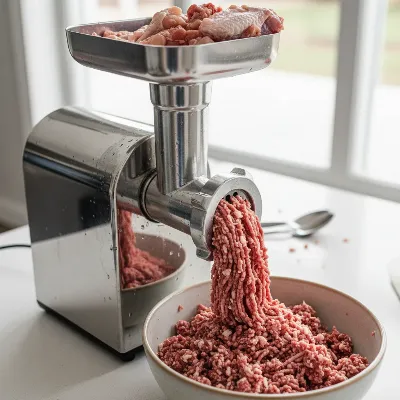
For anyone serious about controlling the quality and ingredients of their ground meat, a heavy-duty meat grinder is an indispensable kitchen appliance. Whether you’re a home cook preparing meals for your family, a hunter processing game, or a small business owner crafting artisanal sausages, the ability to grind your own beef and pork offers unparalleled freshness, customization, and flavor. Gone are the days of guessing what’s in your ground meat; with the right machine, you dictate the cuts, fat content, and texture. This guide will help you navigate the world of heavy-duty meat grinders, ensuring you find a reliable, efficient, and durable solution for all your grinding needs.
Understanding Heavy Duty Meat Grinders
A meat grinder, often referred to as a meat mincer, is a mechanical device designed to finely chop or mince various foods, including raw or cooked meat, fish, and even vegetables. It typically features a hopper where food is fed, a horizontal screw conveyor that pushes the material, and a cutting blade combined with a perforated plate to achieve the desired grind consistency. The first meat grinder was invented in the nineteenth century by Karl Drais, initially a hand-cranked device. Over time, as electricity became more accessible, manufacturers developed powerful motorized machines that could process substantial quantities of meat quickly and uniformly.
The evolution of meat grinders has seen them transform from basic manual tools to sophisticated electric and commercial-grade appliances. Today, a heavy-duty meat grinder distinguishes itself through its robust construction, powerful motor, and high processing capacity, built to withstand continuous use without compromising performance. Unlike smaller, home-use models or stand mixer attachments, these machines are engineered for demanding tasks, ensuring longevity and consistent output for larger volumes of beef, pork, and other meats.
Heavy-duty meat grinders generally fall into several categories:
- Electric Meat Grinders for Home Use: These are more powerful than basic models, suitable for frequent home users or small-scale processing, offering motors typically between 0.5 HP and 1.5 HP.
- Commercial Meat Grinders: Designed for high-volume settings like butcher shops, restaurants, or industrial kitchens, these units boast powerful motors (often 1 HP to 3 HP or higher) and large capacities, capable of grinding hundreds of pounds per hour.
- Specialized Grinders: Some heavy-duty models are specifically built to handle very tough materials, such as partially frozen meat blocks, featuring reinforced components and extremely powerful motors to prevent damage and jams.
How to Choose the Right Heavy Duty Meat Grinder
Selecting the ideal heavy-duty meat grinder requires careful consideration of your specific requirements and the machine’s capabilities. A well-chosen grinder not only enhances efficiency but also ensures the quality and consistency of your ground products.
Determine Your Specific Needs
Before diving into specifications, assess your grinding habits and goals:
- Volume and Frequency: How much meat do you plan to grind at once, and how often? For occasional, small batches, a less powerful model might suffice, but for frequent or large-scale processing of whole cuts of beef or pork, a commercial-grade machine is essential.
- Types of Meat: While the focus here is beef and pork, consider if you’ll also be processing wild game (deer, elk), poultry, or fish. Tougher cuts or those with significant sinew demand higher motor power. If you anticipate grinding partially frozen meat, a specialized frozen meat grinder is necessary to prevent damage to the blades and motor.
- Desired Functions: Beyond basic grinding, do you need attachments for making sausages, kibbeh, or even grinding vegetables? Many heavy-duty grinders come with versatile accessories that expand their utility in the kitchen.
Essential Factors for Selection
Once you understand your needs, evaluate these critical features:
- Motor Power and Horsepower (HP): This is paramount for heavy-duty performance. Look for grinders with motors ranging from 1 HP to 3 HP or higher for processing large quantities or tougher cuts. Higher horsepower ensures smooth operation and reduces the risk of stalling or overheating, especially when grinding dense beef or pork. Electric grinders typically range from 300 to 1200 watts, with higher wattage translating to faster grinding.
- Construction Material: Durability is key for a heavy-duty machine. Stainless steel is the gold standard for its robustness, ease of cleaning, and resistance to rust and corrosion, crucial for maintaining hygiene standards. Some components may use high-grade, food-safe plastic, but primary grinding components like the head, auger, and plates should ideally be metal.
- Grinding Capacity and Speed: This refers to how much meat the grinder can process over a given period, often measured in pounds per minute or hour. For high-volume operations, capacities of 200-500 pounds per hour or more are common. Consistent speed is vital for uniform results, even under heavy load.
- Grinding Plates and Blades: The quality and variety of these components directly impact the texture of your ground meat. Stainless steel blades are durable and easy to clean. Look for models that include multiple grinding plates (e.g., fine, medium, coarse) to achieve different textures for burgers, sausages, or chili.
- Size, Weight, and Portability: Heavy-duty grinders can be substantial. Consider the available counter or storage space. While portability might not be a top concern for commercial units, ensure it fits your workspace. Grinder sizes are often categorized by the diameter of their grinding plates, such as #12, #22, or #32, which correspond to increasing capacity.
- Brand Reputation and Warranty: Opt for established brands known for producing high-quality and reliable kitchen equipment. A good warranty offers peace of mind and indicates the manufacturer’s confidence in their product’s longevity.
- Price and Value: Heavy-duty grinders are an investment. Balance the machine’s features, capacity, and durability against your budget. A higher initial cost often reflects superior build quality and long-term performance.
- Safety Features: Given the powerful motors and sharp blades, safety is paramount. Look for features such as secure locking mechanisms, safety switches, overload protection systems (circuit breakers), and emergency stop buttons to prevent accidents and overheating.
- Ease of Cleaning and Maintenance: Disassembly should be straightforward, and parts that come into contact with food should be easily removable and washable. Dishwasher-safe components are a bonus, but many metal parts (especially aluminum) may require hand washing to prevent oxidation.
- Noise Level: Powerful motors can be noisy. While some noise is expected, quieter operation can be a significant advantage, especially in a home setting.
Comparing Grinder Types
Understanding the distinctions between various grinder types helps pinpoint the best fit for your needs:
- Electric Meat Grinders (for heavy home/small commercial use): These are the most common heavy-duty options for non-industrial settings. They provide significant power and speed compared to manual grinders, making them suitable for regular home use or small-scale commercial operations like a boutique deli or a hunter who processes several animals annually. They typically come with various attachments for versatility.
- Commercial Meat Grinders (industrial scale): These machines are built for continuous, high-volume grinding. They feature robust stainless steel construction, powerful motors (often 1.5 HP and above), and large hoppers. They are designed for butcher shops, large restaurants, and meat processing facilities where efficiency and consistent output are critical. Examples include large #22 or #32 grinders.
- Specialized Grinders (e.g., for frozen meat blocks): While many heavy-duty grinders can handle slightly chilled meat, specialized frozen meat grinders are engineered to process hard-frozen blocks without prior thawing. They utilize extremely powerful motors and reinforced cutting mechanisms to prevent damage. This is typically for industrial applications. A single-screw meat grinder is the most common and versatile, while twin-screw grinders offer more stable feeding for complex raw materials, but neither is an “upgrade” on the other; they serve different design purposes.
Top Recommendations: Best Heavy Duty Meat Grinders for Beef and Pork
When it comes to processing beef and pork efficiently and consistently, several models stand out for their heavy-duty performance. Here’s a summary of top-rated meat grinders recognized for their power and durability:
| Model | Key Features | HP/Wattage | Grinding Capacity | Ideal Use |
|---|---|---|---|---|
| Hobart 4822-35 #22 Meat Grinder | Robust motor, high RPM, easy to clean | 1.5 HP | 12-20 lbs/min | Heavy-duty commercial |
| Meat Your Maker 1½ hp Grinder (#32) | Powerful, organized storage tray, quiet, accessories | 1.5 HP (1,100W) | Fast and consistent | Heavy-duty, mass production |
| Weston Pro Series #22 Meat Grinder | Patented auger-grabbing stomper, constant power, quiet | Not specified, Commercial Grade | 4-6 lbs/min (#8 series) | Mass production, high-volume home processor |
| LEM 1 hp LEM #12 BigBite Grinder | 5-year warranty, fast and efficient, versatile accessories | 1 HP (750W) | Fast (e.g., 6 lbs pork in 4 min) | Wild game, powerful home/small commercial |
| STX International STX-3000 | Powerful motor, variable intake, 3-speed settings, reverse | 1,200W | Up to 360 lbs/hour | Versatile home, high-volume for its class |
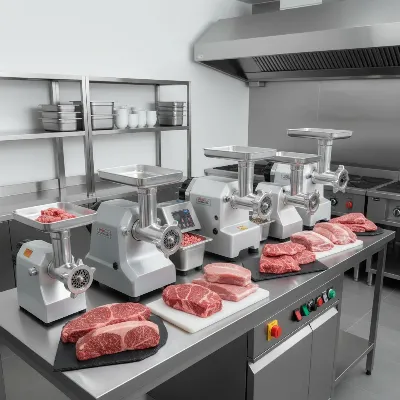 An overview of different heavy-duty meat grinder models in a professional kitchen setting.
Detailed Reviews of Top Heavy Duty Meat Grinders
To help you make an informed decision, let’s delve deeper into some of the most highly-regarded heavy-duty meat grinders for processing beef and pork.
Hobart 4822-35 #22 Meat Grinder/Chopper
The Hobart 4822-35 #22 is a true workhorse, designed for demanding commercial environments. It’s often cited as one of the best heavy-duty commercial meat grinders.
- Pros:
- Exceptional Power: Equipped with a robust 1.5 horsepower motor and a 212 RPM transmission, it ensures fast, uniform results, grinding 12-20 pounds of meat per minute.
- Durable Construction: Its stainless steel exterior housing is built for longevity in busy commercial settings and is easy to wipe down and sanitize.
- User-Friendly Design: All food-contact parts are easily accessible and removable, making cleaning convenient and efficient.
- Reliability: Hobart is a reputable brand known for its durable commercial kitchen equipment.
- Cons:
- Size and Cost: This is a commercial-grade machine, making it a significant investment in both cost and physical footprint, likely overkill for most home users.
- Noise: While efficient, commercial grinders can be quite noisy during operation.
- Specifications: 1.5 HP motor, #22 grinding head, 212 RPM transmission, stainless steel construction.
- User Experience Summary: Users consistently praise its ability to handle large volumes of meat quickly and reliably, reducing manual effort significantly. It’s a top choice for butcher shops and high-volume operations where consistent performance is critical.
Meat Your Maker 1½ hp Grinder (#32)
A favorite among serious home processors and hunters, the Meat Your Maker 1½ hp Grinder (#32) combines power with thoughtful design.
- Pros:
- High Horsepower: Its 1.5 HP motor (1,100 watts) provides consistent power, even under heavy loads, making it ideal for large quantities of beef, pork, or wild game.
- Efficient Grinding: Delivers fast and consistent results, able to process substantial meat chunks without slowing down.
- Organized Storage: A unique storage tray helps keep all accessories (coarse and fine plates, stainless knife, sausage stuffer with three tubes) organized and in one place.
- Quiet Operation: Users often note it’s quiet for a commercial-grade grinder.
- Ease of Use: Simple to assemble, operate, and disassemble for cleaning.
- Cons:
- Price: Its heavy-duty nature and features come at a premium price point.
- Size: As a #32 grinder, it’s quite large and requires dedicated space.
- Specifications: 1.5 HP, 1,100 watts, #32 grinding head, includes coarse and fine plates, stainless knife, sausage stuffer with three tubes, storage tray.
- User Experience Summary: Praised for its robust performance, quiet operation, and ability to handle large processing tasks like grinding multiple animals. The included accessories and organized storage are highly valued by users.
Weston Pro Series #22 Meat Grinder
The Weston Pro Series #22 is a solid choice for mass production and high-volume home processing, bridging the gap between enthusiast and professional use.
- Pros:
- Mass Production Capability: Designed for high-volume processing, offering constant power and efficient grinding.
- Innovative Features: Includes a patented auger-grabbing stomper and an offset head design, which enhances speed and efficiency.
- Versatile Attachments: Comes with coarse (7 mm) and fine (4.5 mm) stainless steel plates, a grinder knife, and a sausage stuffer kit with adapter spacer and four-sized funnels.
- Quiet and Durable Motor: Features a permanently lubricated, air-cooled motor for smooth, quiet operation and easy maintenance.
- Easy Assembly & Cleaning: The unit is designed for easy assembly and disassembly, simplifying cleaning and storage.
- Cons:
- Weight: While lighter than some other 1.5 HP grinders, it’s still a substantial machine.
- Capacity for #22 Series: While powerful, the #22 size may offer slightly lower throughput than a #32 model for extreme mass production, but is still very capable.
- Specifications: #22 grinding head, air-cooled motor, includes various plates and sausage stuffing kit. Specific HP not always listed, but known for commercial-grade performance.
- User Experience Summary: Users appreciate its robust construction and ability to process large quantities of meat efficiently without bogging down. It’s often recommended for hunters and those who frequently process large batches for home use.
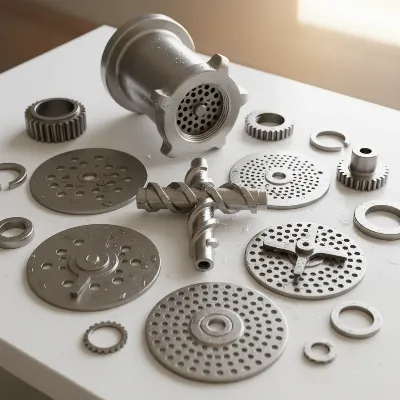 Close-up of disassembled heavy-duty meat grinder components laid out for cleaning, highlighting stainless steel parts.
Maximizing Performance: Usage and Maintenance Tips
To ensure your heavy-duty meat grinder operates at its peak performance and lasts for years, proper usage and diligent maintenance are crucial.
Proper Usage Guidelines
- Thaw Meat Completely (unless specified otherwise): For most heavy-duty grinders, especially those not specifically designed for frozen blocks, it’s vital to thaw meat completely before grinding. Grinding hard, frozen meat can damage blades and strain the motor.
- Pre-cut Meat: Cut meat into smaller, manageable strips or cubes that fit easily into the feed tube. This helps the grinder process meat more smoothly and reduces strain. Remove large bones, gristle, and excessive sinew if possible to prevent jams and wear on components.
- Chill Meat and Grinder Parts: For optimal results, especially with fattier meats like pork butt, chill the meat in the freezer for 30-60 minutes until it’s very firm but not frozen solid. You can also chill the metal grinding head, auger, and blade in the freezer beforehand to keep the meat colder and prevent smearing.
- Don’t Overload: While heavy-duty grinders have high capacities, avoid forcing too much meat into the hopper at once. Feed it steadily and allow the machine to work without resistance. Use the provided food stomper or pusher to guide meat, never your hands.
- Use the Right Plates: Select the appropriate grinding plate size for your desired texture. Use coarse plates for a first grind or for chili, medium for burgers and general ground meat, and fine for pâtés or hot dogs.
Safety Precautions
- Always Unplug: Before assembling, disassembling, cleaning, or performing any maintenance, always ensure the grinder is unplugged from the power outlet to prevent accidental activation.
- Handle Blades with Care: Meat grinder blades are extremely sharp. Exercise extreme caution when handling them during assembly, disassembly, and cleaning. Consider wearing cut-resistant gloves.
- Use the Food Stomper: Never use your fingers or any other utensil to push meat into the grinder. Always use the food stomper provided by the manufacturer.
- Check Safety Features: Familiarize yourself with and regularly test any safety switches, overload protection, or emergency stop buttons on your machine.
- Stable Placement: Ensure the grinder is placed on a stable, level, and non-slip surface during operation to prevent it from moving or tipping.
Cleaning After Each Use
Thorough cleaning after every use is essential for hygiene, preventing bacteria growth, and extending the life of your grinder.
- Disassemble Immediately: Unplug the grinder and disassemble all removable parts (grinding head, auger, blade, plates, hopper tray) as soon as you finish grinding.
- Rinse Off Large Residue: Rinse all parts under warm running water to remove any large chunks of meat or fat before they dry and harden.
- Soak in Soapy Water: Fill a basin with warm, soapy water and soak all removable parts for 10-15 minutes to loosen stubborn residue.
- Scrub Thoroughly: Use a soft brush or sponge to scrub each component, paying extra attention to crevices, holes in the plates, and the blade. An old toothbrush can be useful for small areas.
- Avoid Dishwashers (Unless Specified): Many metal grinder parts, particularly those made of aluminum, can oxidize or pit in a dishwasher. Hand washing is often recommended.
- Rinse and Dry Completely: Rinse all components with clean water to remove soap residue. Then, thoroughly towel-dry each part. Moisture is the enemy of metal and causes rust. Allow them to air dry completely before storage.
Long-Term Maintenance
- Lubrication: Apply a thin layer of food-grade mineral oil or lubricant to all metal components (especially plates, blades, and auger) before storage. This prevents rust and ensures smooth operation for the next use.
- Regular Inspection: Periodically inspect blades and grinding plates for signs of dullness or wear. Replace them if they become worn to maintain efficient grinding. Check screws and fastenings to ensure they are tight, and look for any signs of rust on metal parts.
- Proper Storage: Store your meat grinder and its components in a dry, clean environment. Keep the parts lightly oiled, and consider using the original packaging or a dedicated storage case to protect them from dust and moisture. Avoid sealed containers with trapped moisture.
Where to Buy Heavy Duty Meat Grinders
Acquiring a heavy-duty meat grinder is an investment, and knowing where to shop can ensure you get the best product and service.
Online Retailers
Online platforms offer a vast selection and competitive pricing, often accompanied by customer reviews and detailed specifications.
- Specialty Food Processing Stores: Websites like LEM Products, Weston, or The Sausage Maker specialize in meat processing equipment and often carry the most robust heavy-duty models. They provide excellent product knowledge and support.
- Large E-commerce Platforms: Amazon, WebstaurantStore, and other major online retailers feature a wide range of meat grinders from various brands, often with detailed user reviews and direct shipping.
- Manufacturer Websites: Purchasing directly from the manufacturer can sometimes offer the latest models, specific warranties, and direct customer support.
Physical Stores
For those who prefer to see the product in person or need immediate assistance, brick-and-mortar stores are a good option.
- Restaurant Supply Stores: Stores that cater to the foodservice industry often carry commercial-grade heavy-duty meat grinders, allowing you to inspect the build quality firsthand.
- Outdoor and Hunting Stores: Retailers like Cabela’s often stock heavy-duty grinders, particularly those suited for processing wild game, which are robust enough for beef and pork.
- Specialty Appliance Stores: Some higher-end kitchen appliance stores might carry powerful electric meat grinders for serious home cooks.
Tips for Buying
- Read Reviews: Online customer reviews are invaluable for understanding real-world performance, durability, and common issues.
- Compare Warranties: A good warranty is a strong indicator of product quality and manufacturer support.
- Check Return Policies: Especially for online purchases, understand the return policy in case the grinder doesn’t meet your expectations.
- Consider Local Support: For commercial units, inquire about local service centers or repair technicians.
The Ultimate Buying Guide: Key Takeaways for Your Purchase
Choosing the best heavy-duty meat grinder for beef and pork is a critical decision that impacts your kitchen efficiency and the quality of your culinary creations. By focusing on essential features and understanding your needs, you can make an informed choice.
Key Considerations:
- Power is Paramount: A high-horsepower motor (1 HP and above) is non-negotiable for heavy-duty grinding, ensuring smooth, consistent performance with tough meats.
- Durability Matters: Prioritize models made from stainless steel for longevity, hygiene, and ease of cleaning.
- Capacity Aligns with Needs: Match the grinder’s output capacity (pounds per hour) to your typical processing volume.
- Versatility with Attachments: Look for models with various grinding plates and sausage stuffing kits to maximize utility.
- Safety First: Ensure the grinder has critical safety features like overload protection and an emergency stop.
- Easy to Clean: Simple disassembly and dishwasher-safe parts (where applicable) will save you time and effort in maintenance.
Common Mistakes to Avoid:
- Underpowering: Don’t opt for an underpowered motor to save money; it will lead to frustration, jams, and a shorter lifespan.
- Ignoring Materials: Cheap plastic components may not withstand the demands of heavy-duty grinding.
- Neglecting Maintenance: Failing to clean and lubricate properly will lead to rust, dull blades, and decreased performance.
- Overlooking Warranty: A short or non-existent warranty can be a red flag.
> “Investing in a quality heavy-duty meat grinder is not just about convenience; it’s about gaining complete control over the freshness, texture, and ingredients of your ground meats. It’s a game-changer for serious cooks and processors alike.” – Admin, ReviewsSure.com
Conclusion
Choosing the best heavy-duty meat grinder for beef and pork means investing in a powerful, durable, and efficient machine that meets your specific culinary or processing demands. By prioritizing a robust motor, high-quality materials, and essential features like various grinding plates and safety mechanisms, you can ensure consistent, high-quality results for years to come. Whether you’re making homemade sausages, gourmet burgers, or processing large quantities of game, the right grinder empowers you with unparalleled control over your ingredients. Are you ready to elevate your meat processing and unlock a new level of freshness and flavor in your kitchen?
Frequently Asked Questions
What is considered a heavy-duty meat grinder?
A heavy-duty meat grinder is typically defined by its powerful motor (often 1 HP or higher), durable construction (usually stainless steel), and high processing capacity, capable of continuously grinding large volumes of tough meats like beef and pork without overheating or stalling. It’s built for demanding tasks, beyond typical home use.
What horsepower is good for a meat grinder?
For heavy-duty use, especially with beef and pork, a meat grinder with at least 1 horsepower (HP) is recommended. Higher HP, such as 1.5 HP or 2 HP, provides even greater efficiency and prevents bogging down when processing large quantities or tougher cuts of meat.
Can I grind bones with a heavy-duty meat grinder?
Most standard heavy-duty meat grinders are NOT designed to grind hard bones, as this can severely damage the blades and motor. Specialized industrial grinders might handle some bones, but for home or small commercial use, always remove bones before grinding unless the manufacturer explicitly states otherwise.
What material is best for a meat grinder?
Stainless steel is generally considered the best material for meat grinders, particularly for the head, auger, blades, and plates. It offers superior durability, resistance to rust and corrosion, and is easy to clean, which is crucial for maintaining food hygiene standards.
How often should I clean my heavy-duty meat grinder?
You should thoroughly clean your heavy-duty meat grinder immediately after every single use. Disassembling all removable parts, washing them with hot soapy water, rinsing, and drying completely prevents bacterial growth, maintains blade sharpness, and extends the machine’s lifespan.
Are electric or manual meat grinders better for heavy duty?
Electric Meat Grinders are significantly better for heavy-duty applications. Manual grinders are suitable for very small, occasional batches and require considerable physical effort. Electric models, with their powerful motors, offer speed, efficiency, and consistent results necessary for grinding large quantities of beef and pork.