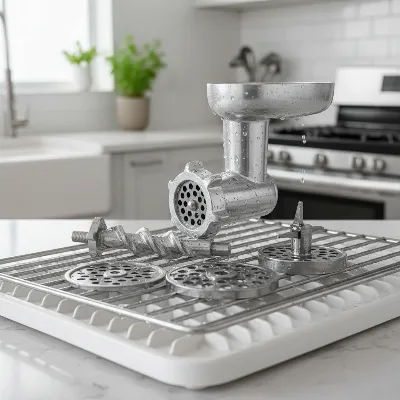
As the Admin of ReviewsSure.com and a seasoned technician with over a decade in the meat grinder industry, I’ve witnessed the transformation of meat processing technology. From basic manual machines to today’s sophisticated, multi-functional electric grinders, the evolution has been remarkable. For small butcher shops, selecting the right commercial meat grinder is a pivotal decision that impacts efficiency, product quality, and ultimately, profitability. This guide is crafted to share in-depth knowledge and practical advice, helping you navigate the options and choose a meat grinder that perfectly suits your small butchery’s unique demands.
Overview of Commercial Meat Grinders for Small Butchers
A commercial meat grinder is a specialized appliance designed to process large volumes of meat efficiently, transforming whole cuts into ground meat of various textures. Unlike domestic models, these machines are built for continuous operation, superior durability, and adherence to strict hygiene standards, making them indispensable for any small butcher shop.
Historically, meat grinding was a laborious manual process, relying on hand-cranked mechanisms. The advent of electricity revolutionized this, bringing forth electric meat grinders that significantly increased speed and capacity. Today’s commercial grinders combine powerful motors with robust construction, often featuring advanced functionalities like forward and reverse modes, multiple grinding plate sizes, and sausage stuffing capabilities. For small butchers, electric grinders are the workhorses, offering the necessary power and throughput to meet daily demands, while manual grinders might only be suitable for niche, low-volume, or specialty tasks.
How to Choose a Commercial Meat Grinder for Your Small Butchery
Choosing the ideal commercial meat grinder involves a careful assessment of your operational needs and the machine’s specifications. A well-matched grinder enhances productivity and ensures consistency in your products.
Determine Your Usage Needs
Before diving into specifications, consider what your butchery genuinely requires.
- Quantity of Meat: How many pounds or kilograms of meat do you typically grind in an hour or per day? Small butcheries often find models with capacities between 250-300 kg/h (approximately 550-660 lbs/hr) to be sufficient, though some operations might require higher, up to 500 lbs/hr or more for consistent demand.
- Frequency of Use: Will the grinder be used intermittently throughout the day or for several hours of continuous operation? Heavy, continuous use necessitates a more robust motor and durable build.
- Types of Meat: What kind of meats will you primarily be grinding? Beef, pork, poultry, or tougher cuts like venison and other wild game? Different meats require varying motor strengths and blade sharpness to process efficiently without jamming.
- Desired Functions: Beyond grinding, do you need the machine to perform other tasks, such as stuffing sausages? Many commercial grinders come with sausage stuffer kits, offering added versatility.
|
Our Picks for the Best Meat Grinder in 2026
As an Amazon Associate I earn from qualifying purchases.
|
||
| Num | Product | Action |
|---|---|---|
| 1 | AAOBOSI #12 Meat Grinder, [3000W] 3 Speed Meat Grinder Heavy Duty: Built-in Storage Box, 2 Blades,4 Plates,3 Sausage Stuffers,Kibbe Kit,Meat Claw & Burger Press, for Home & Kitchen Use |
![Check AAOBOSI #12 Meat Grinder, [3000W] 3 Speed Meat Grinder Heavy Duty: Built-in Storage Box, 2 Blades,4 Plates,3 Sausage Stuffers,Kibbe Kit,Meat Claw & Burger Press, for Home & Kitchen Use on Amazon](https://ReviewsSure.com/wp-content/plugins/amazon-tables/assets/images/buy.png)
|
| 2 | VEVOR Commercial Electric Meat Grinder, 5 lbs/min Capacity, #8 Industrial Meat Mincer with 2 Stainless Steel Blades, 2 Grinding Plates, 600W Heavy-Duty Sausage Maker Stuffer, for Kitchen, Restaurant |
|
| 3 | Cuisinart Electric Meat Grinder, Stainless Steel |
|
| 4 | AAOBOSI Multifunctional Digital Meat Grinder Electric 3000W Max w/ 9 Touch Screen Presets, Auto-Reverse & Built-in Storage -Grinding, Sausage & Kibbe & Grate Cheese Making for Home Use |
|
| 5 | CHEFFANO Meat Grinder, 2600W Max Stainless Steel Meat Grinder Electric, ETL Approved Heavy Duty Meat Mincer Machine with 2 Blades, 3 Plates, Sausage Stuffer Tube & Kubbe Kit for Home Kitchen Use |
|
| 6 | Meat Grinder, Electric Meat Grinder with Sausage Stuffer Maker & Kubbe Kit, Metal-Body Meat Mincer with 3 Stainless Steel Grinding Plates & 2 Blades for Home Kitchen Using |
|
| 7 | Camic Electric Meat Grinder - 300W Sausage Stuffer for Home Kitchen Use Meat Mincer with Stainless Steel 3 Plates, 1 Blade, Sausage Tube, Kubbe Maker |
|
| 8 | Electric Meat Grinder, Sausage Stuffer with 3 Sausage Tubes, 2 Blades, 3 Plates, 3200W Max, Meat Grinder Heavy Duty for Home Kitchen Use, Stainless Steel (Black) |
|
| 9 | Weston Electric Meat Grinder & Sausage Stuffer, #12 750 Watt, 1 HP Motor, Grinds 4 lbs Per Minute, Includes Stainless Steel Grinding Plates, Die-Cast Aluminum (33-1301-W) |
|
| 10 | AAOBOSI Meat Grinder Electric 3000W Max with Touch Color Screen, Auto-Reverse & Built-in Storage - 3 Speed Settings,Grinding, Sausage & Kibbe Making for Home Use, Stainless Steel |
|
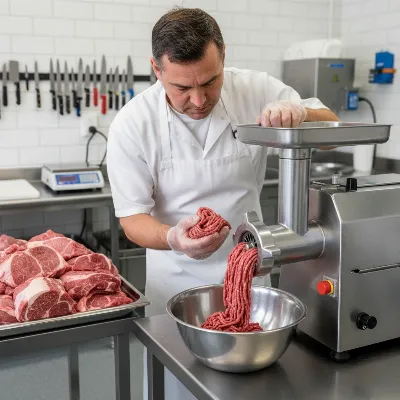 A small butcher inspecting a commercial meat grinder's output for quality control, with fresh meat in the foreground and a clean stainless steel environment in the background. Editorial style, focus on detail and clean environment.
Essential Factors to Consider
Several technical and practical elements play a critical role in the performance and longevity of a commercial meat grinder.
- Motor Power (HP/Watts) and Capacity (lbs/hr or kg/hr): For small butcheries, motor power typically ranges from 0.5 HP to 2 HP. A 0.5 to 1 HP motor can handle consistent, moderate volume, while 1.5 HP to 2 HP is recommended for higher demand, tougher meats, or continuous grinding for hours. Higher wattage usually indicates more power. The capacity, measured in pounds or kilograms per hour, should align directly with your expected output.
- Material: Stainless steel construction is paramount for commercial grinders. It offers exceptional durability, corrosion resistance, and is easy to sanitize, ensuring food safety and a long service life. Components that contact food, like grinding plates and blades, should also be high-grade stainless steel.
- Grinding Plates and Blades: Look for sharp, durable stainless steel blades and a selection of grinding plates with different hole diameters (e.g., fine for pâtés, coarse for sausages and burgers). Easy-to-remove and replaceable plates are a significant advantage for versatility and maintenance. Common commercial sizes are #12, #22, and #32, referring to the plate diameter.
- Size and Footprint: Small butcheries often have limited counter space. Consider the physical dimensions of the grinder and whether it will fit comfortably without impeding other operations. Benchtop models are common for small commercial settings.
- Brand Reputation and Warranty: Investing in a reputable brand often means better build quality, reliable performance, and access to good customer support and spare parts. A solid warranty provides peace of mind for your investment.
- Price and Value: Commercial meat grinders can range from a few hundred to several thousand dollars. While budget is a factor, prioritize value over the lowest price. A cheaper, less durable machine might cost more in repairs and downtime in the long run.
Comparing Common Meat Grinder Types (for small butchers)
For small butcher shops, electric models are the standard. They generally fall into two main categories based on size and capacity:
- Electric Countertop Models:
- Pros: More compact, typically more affordable, sufficient for moderate daily grinding volumes (e.g., 50-250 lbs/hr), easier to move and store. Often come with essential accessories like sausage stuffing tubes.
- Cons: Lower horsepower and throughput than larger units, might struggle with very tough cuts or extremely high volumes over extended periods.
- Ideal Users: Small delis, cafes, or butcher shops with consistent but not excessively high daily grinding needs, or those processing softer meats.
- Heavy-Duty Benchtop Models:
- Pros: More powerful motors (1.5 HP and up), higher grinding capacities (250-1700 lbs/hr), designed for continuous, heavy-duty use, can handle tougher cuts of meat with ease. Often feature robust gear drives for quiet and reliable operation.
- Cons: Larger footprint, heavier, higher initial investment, might be overkill for very low-volume operations.
- Ideal Users: Butcher shops with high daily demand, those regularly processing tough meats or wild game, or businesses that require continuous grinding for several hours.
Comparison Table: Top Commercial Meat Grinders for Small Butchers
Here’s a comparison of some highly-regarded commercial meat grinders that cater well to the needs of small butcheries:
| Brand/Model | HP | Approx. Capacity (lbs/hr) | Material | Key Features | Price Range (USD) | User Rating |
|---|---|---|---|---|---|---|
| Weston Pro Series #22 | 1 HP | 840 | Stainless Steel | Air-cooled, permanently lubricated motor, rifled-head design, includes accessories. | $700 – $1,000 | 4.5/5 |
| Hobart 4822-35 #22 | 1.5 HP | 720-1200 | Stainless Steel | Robust 212 RPM transmission, user-friendly, easily removable parts for cleaning. | $2,500 – $4,000 | 4.8/5 |
| Cabela’s Commercial 3/4HP | 0.75 HP | 600 | Heavy-duty Steel | Quiet 550W motor, durable construction, includes sausage stuffing funnels. | $400 – $600 | 4.6/5 |
| LEM Products Big Bite #8 | 0.5 HP | 330 | Stainless Steel | Heavy-duty, powerful motor, large meat pan, stainless steel plates/blades. | $400 – $700 | 4.7/5 |
| Pro-Cut KG-22-W | 1 HP | 1720 | Stainless Steel | Oil-bathed steel gear transmission, compact, no sharp corners, safety guard. | $1,500 – $2,500 | 4.7/5 |
Note: Prices are approximate and can vary based on retailer and promotions.
Detailed Reviews: Top 5 Commercial Meat Grinders for Small Butchers
Let’s explore some of the best commercial meat grinders that stand out for small butcheries.
1. Weston Pro Series #22 Electric Meat Grinder
The Weston Pro Series #22 is a formidable choice for small butcher shops needing consistent, high-volume output without a huge footprint. Its robust 1 HP motor, air-cooled and permanently lubricated, is designed for continuous grinding, capable of processing up to 14 pounds per minute (840 lbs/hr). The rifled-head design and tapered throat facilitate smooth feeding, minimizing jams. This model comes with various accessories, including coarse and fine stainless steel plates, a grinding knife, and a sausage stuffer kit, enhancing its versatility. Its durable construction ensures it can handle demanding daily use.
- Pros: Powerful 1 HP motor for continuous grinding, high capacity (840 lbs/hr), durable stainless steel components, includes sausage stuffing kit, relatively quiet operation.
- Cons: Can be heavy to move, may be an overinvestment for very small operations with minimal grinding needs.
- Specifications: 1 HP motor, 750 watts, up to 14 lbs/min (840 lbs/hr) capacity, stainless steel plates (7mm coarse, 4.5mm fine), sausage stuffer kit included.
- User Experience: Butchers appreciate its steady power, even under heavy loads, and its ability to process various meats efficiently for hours. The ease of disassembly for cleaning is also a frequently praised feature.
2. Hobart 4822-35 #22 Meat Grinder / Chopper
Hobart is a name synonymous with commercial kitchen durability, and the 4822-35 #22 meat grinder lives up to that reputation. Equipped with a robust 1 1/2 horsepower motor and a 212 RPM transmission, it ensures fast, uniform results, grinding 12-20 pounds of meat per minute (720-1200 lbs/hr). This machine is built to significantly reduce employee fatigue associated with manual grinding. Its design prioritizes hygiene, with all food-contact parts easily accessible and removable for convenient cleaning. The stainless steel exterior is also simple to wipe down and sanitize, making it a reliable workhorse for busy butcheries.
- Pros: Extremely durable and heavy-duty, very high grinding capacity, powerful motor for tough meats, exceptional build quality, easy to clean design.
- Cons: Significantly higher price point, larger and heavier than other options, might be overkill for lower-volume small butchers.
- Specifications: 1.5 HP motor, 212 RPM transmission, 12-20 lbs/min capacity, #22 head size, stainless steel construction.
- User Experience: Valued by butchers for its unwavering performance, consistency, and longevity. It’s often seen as a long-term investment that pays off in reliability and efficiency.
3. Cabela’s Commercial-Grade 3/4HP Carnivore Meat Grinder
The Cabela’s Commercial-Grade 3/4HP Carnivore Meat Grinder is a powerful and reliable option, particularly popular among butchers who process wild game in addition to standard cuts. This machine boasts a 3/4 HP (550-watt) motor, capable of grinding up to 10 pounds of meat per minute (600 lbs/hr). Its heavy-duty steel construction ensures years of regular use. Despite its power, many users note its surprisingly quiet operation. It comes with multiple sausage-stuffing funnels and grinding plates, making it versatile for various meat preparations.
- Pros: Powerful motor for its price point, robust steel construction, good capacity for many small butcheries, surprisingly quiet, includes essential accessories.
- Cons: Heavier and bulkier than some entry-level commercial units, assembly can be a bit more involved due to its heavy components.
- Specifications: 0.75 HP (550-watt) motor, up to 10 lbs/min (600 lbs/hr) capacity, heavy-duty steel construction, various grinding plates and stuffing funnels.
- User Experience: Praised for its ability to handle tough cuts and large quantities, making it a “buy once” investment for many. The quiet operation is a notable plus in a busy kitchen.
4. LEM Products Big Bite Electric Meat Grinder #8
LEM Products is well-regarded for its durable and efficient meat processing equipment, and the Big Bite Electric Meat Grinder #8 is a favorite among professionals. While this is a smaller size (#8 head) than some reviewed, it’s perfect for small butcheries or those with moderate grinding needs looking for heavy-duty reliability. Its 0.5 HP motor is designed to handle tough cuts of meat without overheating, grinding approximately 5.5 pounds per minute (330 lbs/hr). The “Big Bite” technology ensures the auger pulls meat in efficiently, minimizing stomping. It features high-quality stainless steel construction for both the machine and its components.
- Pros: Durable and reliable for consistent use, efficient “Big Bite” technology, good for moderate volumes and tough meats, high-quality stainless steel build.
- Cons: Lower capacity than #22 or #32 grinders, cleaning can be challenging due to its robust design, potentially limited for high-volume, continuous operations.
- Specifications: 0.5 HP motor, approximately 5.5 lbs/min (330 lbs/hr) capacity, #8 head size, stainless steel plates and blades, meat stomper and stuffing tubes included.
- User Experience: Butchers appreciate its strength and consistency, noting its ability to power through sinew and harder cuts. It’s often recommended for its dependability in daily operation.
5. Pro-Cut KG-22-W Bench Meat Grinder
Specifically designed for the daily needs of butchers and small commercial operations, the Pro-Cut KG-22-W #22 grinder offers an impressive capacity within a practical design. Its 1 HP motor, combined with an oil-bathed steel gear transmission, ensures minimal noise and low maintenance costs while processing up to 28.66 pounds per minute (1720 lbs/hr). This machine stands out for its 100% polished food-grade stainless steel cabinet, designed with no sharp corners or seams, making it exceptionally easy to clean and sanitize without special tools. A permanently attached safety guard ensures safe operation without hindering performance.
- Pros: Very high capacity for a 1 HP motor, superior ease of cleaning and sanitation, robust and quiet gear transmission, compact footprint, excellent safety features.
- Cons: Higher price point than some other 1 HP models, though justified by capacity and build.
- Specifications: 1 HP motor, up to 28.66 lbs/min (1720 lbs/hr) capacity, #22 head size, 100% polished food-grade stainless steel.
- User Experience: Highly valued for its efficiency, consistent grind, and user-friendly design, particularly its quick disassembly and robust construction for long working hours.
Using and Maintaining Your Commercial Meat Grinder
Proper use and meticulous maintenance are crucial for the longevity and safe operation of your commercial meat grinder.
Proper Usage Tips
- Chill Your Meat: Always grind cold, firm meat. This helps prevent smearing and ensures a cleaner, more consistent grind. Partially frozen meat (but not rock-hard) works best.
- Cut Meat into Strips: Cut meat into strips or cubes that fit easily into the feed chute without forcing. This reduces strain on the motor and prevents jamming.
- Use the Stomper: Always use the provided meat stomper to push meat into the grinder. Never use your hands or other objects, as this is a major safety hazard.
- Don’t Overload: While commercial grinders are powerful, avoid continuously pushing meat in faster than the machine can process it. Let the grinder work at its own pace.
- Utilize Reverse Function: If your grinder has a reverse function, use it to clear minor jams. This can prevent damage to the motor and internal components.
Safety Precautions
- Read the Manual: Familiarize yourself with the manufacturer’s specific safety guidelines for your model.
- Keep Hands Clear: Always keep hands and loose clothing away from the feed chute and grinding head. The stomper is your only tool for pushing meat.
- Unplug Before Cleaning/Assembly: Always unplug the meat grinder from the power source before disassembling, cleaning, or performing any maintenance.
- Secure Placement: Ensure the grinder is placed on a stable, non-slip surface to prevent accidental movement during operation.
- Regular Inspections: Periodically inspect the power cord, plugs, and all components for any signs of wear or damage.
Cleaning and Storage for Longevity
Hygiene is paramount in a commercial kitchen. A strict daily cleaning routine is essential for food safety and extending the life of your machine.
- Disassemble Immediately: After each use, disassemble all food-contact parts (grinding head, auger, blade, plates, tray, stomper).
- Wash Thoroughly: Wash these parts in hot, soapy water, using a brush to remove all meat residue. Some parts may be dishwasher safe, but always check the manual.
- Sanitize: After washing, sanitize all parts according to your local health regulations.
- Dry Completely: Ensure all components are thoroughly dry before reassembly or storage to prevent rust and bacterial growth.
- Wipe Down Housing: Wipe the motor housing and exterior with a damp cloth and sanitizer.
- Proper Storage: Store grinding plates and blades carefully to prevent dulling or damage. Some grinders include storage drawers for accessories.
“Investing in a high-quality commercial meat grinder is only half the battle. Diligent cleaning and proper maintenance are what truly maximize its lifespan and ensure consistent, safe food production day after day.” – Maria Rodriguez, Veteran Butcher Shop Owner
Where to Buy Commercial Meat Grinders for Small Butchers
Finding the right supplier is as important as choosing the right grinder. You want a vendor who offers competitive pricing, reliable shipping, and good customer service.
- Restaurant Supply Stores: Many commercial kitchen equipment suppliers have showrooms where you can see models in person and get expert advice. This is ideal for comparing sizes and features directly.
- Online Retailers: Large online platforms specializing in restaurant and butcher equipment (e.g., WebstaurantStore, Kitchenall, The Restaurant Warehouse) offer a wide selection, often with customer reviews and detailed specifications. They can be a good source for competitive pricing.
- Specialty Butcher Equipment Suppliers: These vendors often have specialized knowledge and may carry higher-end or niche models. They can also provide guidance on specific accessories and parts.
- Direct from Manufacturer: Some brands offer direct sales through their websites, which can sometimes come with specific warranties or bundled deals.
Experience for buying online and offline:
When buying online, always verify the seller’s return policy, warranty terms, and read customer reviews for insight into product performance and customer service. For offline purchases, take advantage of the opportunity to physically inspect the machine, check its build quality, and ask questions directly to sales staff about features, maintenance, and warranty. Consider financing options if available, as a quality commercial grinder is a significant investment.
Buying Guide: Crucial Considerations for Your Small Butchery
To summarize, here are the most important things to keep in mind when purchasing a commercial meat grinder for your small butcher shop:
- Capacity is King: Accurately assess your daily and peak grinding volumes. Don’t undersize, as it leads to motor strain and inefficiency, but don’t oversize unnecessarily, which adds to cost and footprint.
- Motor Power Matters: For continuous or tough grinding, opt for at least 1 HP, and consider 1.5 HP or more if processing wild game frequently.
- Stainless Steel is Non-Negotiable: Ensure the grinder’s body, head, auger, blade, and plates are all made from high-quality stainless steel for hygiene and durability.
- Ease of Cleaning: This is critical. Look for models that disassemble quickly without tools and have smooth, seamless surfaces to prevent food traps.
- Safety First: Prioritize models with safety guards, feed stompers, and robust construction to protect your staff.
- Accessories and Versatility: Consider if you need sausage stuffing capabilities or various grinding plate sizes for different products.
- Brand Reputation and Support: Choose brands known for reliability and accessible customer service and spare parts.
Common mistakes to avoid:
- Underestimating Volume: Buying a grinder too small for your actual needs, leading to frequent breakdowns and slow processing.
- Ignoring Cleaning Ease: A difficult-to-clean grinder will quickly become a health hazard and a time sink.
- Prioritizing Price Over Quality: Cheap commercial grinders often lack durability, costing more in the long run through repairs and replacements.
- Forgetting Footprint: Not accounting for the physical space the grinder will occupy in your shop.
Conclusion
Choosing the best commercial meat grinder for your small butchery is a strategic decision that impacts both operational efficiency and the quality of your finished products. By carefully considering your volume requirements, the types of meat you process, motor power, material durability, and ease of cleaning, you can make an informed choice. Models like the Weston Pro Series, Hobart, Cabela’s, LEM Big Bite, and Pro-Cut offer excellent features and performance tailored to the needs of professional small-scale operations. Investing in a high-quality, well-maintained commercial meat grinder ensures you can consistently deliver fresh, perfectly ground meat to your customers, strengthening your reputation and contributing to the success of your business.
What specific challenges are you currently facing in your meat grinding process that a new machine could solve?
Frequently Asked Questions
What horsepower is suitable for a small butcher shop?
For a small butcher shop, a commercial meat grinder with a motor ranging from 0.75 HP to 1.5 HP is generally suitable. This range provides enough power to efficiently process moderate to high volumes of various meats, including tougher cuts, without overheating or excessive strain, ensuring smooth operation throughout your business day.
How often should I clean my commercial meat grinder?
You should clean your commercial meat grinder after every use, particularly when you finish grinding for the day or are switching between different types of meat to prevent cross-contamination. Thorough daily disassembly, washing with hot soapy water, sanitizing, and complete drying of all food-contact parts are essential for hygiene and machine longevity.
What are the essential accessories for a meat grinder?
Essential accessories for a commercial meat grinder include multiple grinding plates (fine, medium, coarse) for different textures, a grinding knife (often stainless steel), and a meat stomper for safe feeding. Many commercial models also come with sausage stuffing tubes of various sizes, enhancing the machine’s versatility for product creation.
Can I grind bones with a commercial meat grinder?
Most standard commercial Meat Grinders are not designed to grind bones, especially large or dense ones, as this can severely damage the blades, plates, auger, and motor. Only specialized, heavy-duty industrial grinders with extremely powerful motors and reinforced components are capable of grinding bones safely and effectively.
How does plate size affect the grind?
The plate size, referring to the diameter of the holes in the grinding plate, directly affects the texture of the ground meat. Smaller holes (e.g., 4.5mm) produce a finer grind, ideal for pâtés, spreads, or very smooth sausages. Larger holes (e.g., 7mm or 10mm) result in a coarser grind, preferred for hamburger patties, chili meat, or chunky sausages.