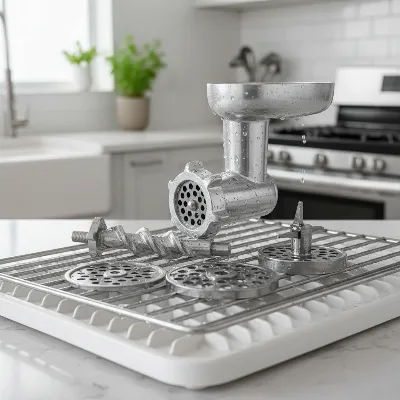
Have you ever considered the superior taste and control that comes with grinding your own meat at home? It’s a game-changer for homemade burgers, sausages, and fresh ground beef, offering a significant upgrade from pre-packaged options. While top-tier meat grinders can cost a small fortune, finding an efficient and reliable model under $100 is entirely possible in 2026. This guide is designed to help you navigate the options, highlighting key features and top picks to ensure you get the best value for your culinary adventures without breaking the bank.
Overview of Meat Grinders
A meat grinder is a kitchen appliance used to finely chop or “grind” raw or cooked meat into smaller pieces. Its primary purpose is to allow home cooks to control the fat content, freshness, and quality of their ground meat, enhancing the flavor and texture of dishes like meatballs, chili, and pâtés.
The concept of grinding meat has evolved significantly from simple manual choppers to the sophisticated electric and attachment models we see today. Early versions were typically hand-cranked, requiring considerable physical effort. Modern advancements have brought powerful motors and versatile attachments, making meat grinding accessible to nearly every home kitchen.
Today, meat grinders generally fall into three categories: manual, electric, and stand mixer attachments. Manual grinders are simple, hand-operated devices often clamped to a countertop. Electric grinders feature a motor that powers the grinding mechanism, offering speed and convenience. Stand mixer attachments leverage the power of an existing stand mixer, providing a cost-effective solution for those who already own one. Each type offers distinct advantages and caters to different user needs, especially when budget is a primary consideration.
Guide to Choosing a Meat Grinder
Selecting the right meat grinder, particularly when adhering to a budget under $100, requires a thoughtful approach. It’s about balancing performance, durability, and features with affordability.
Determine Your Needs
Before diving into specifications, consider how you’ll primarily use your meat grinder.
- Quantity and Frequency: How much meat do you plan to grind at once, and how often? For occasional, small batches (1-2 pounds), a manual grinder or a less powerful electric model might suffice. If you foresee grinding larger quantities more frequently, even within a budget, prioritizing motor strength and capacity for electric models becomes crucial.
- Types of Meat: What kind of meat will you primarily be grinding? Most budget grinders handle boneless poultry, pork, and beef well. However, tougher cuts or meat with significant sinew will test a grinder’s motor and blade quality. For wild game, you might need to manage expectations for grinders under $100, as these often require more powerful, heavy-duty machines.
- Desired Functions: Are you only interested in basic meat grinding, or do you want to explore other functions? Many budget grinders come with attachments for making sausages, while some include kibbeh makers or even plates for grinding vegetables and hard cheeses. Identify your must-have features to narrow down your options.
Important Factors for Budget Grinders
When shopping for a meat grinder under $100, paying close attention to these factors will help you make a smart investment.
- Power and Motor (for electric models): For electric grinders, motor wattage indicates grinding capability. While high wattage numbers (e.g., 1500W-2800W peak power) might appear enticing on budget models, be aware that “peak power” can be misleading. Look for sustained power ratings if available. For under $100, models with 300-700 watts of continuous power are generally reasonable for home use, though they may process meat slower than more expensive units.
- Material: The durability and hygiene of your grinder are heavily influenced by its materials. Stainless steel components (like blades and grinding plates) are highly desirable for their rust resistance, ease of cleaning, and longevity. Avoid models with too many plastic gears or critical parts, as these can wear out quickly under strain. A mix of stainless steel, aluminum alloy, and durable ABS plastic is common in budget models.
- Blades, Plates, and Accessories: A good budget meat grinder should include at least two grinding plates (fine and coarse) to offer versatility for different recipes. Sausage stuffing tubes are a valuable addition if you plan to make your own links. Look for sharp, durable blades that can be easily replaced if needed.
- Ease of Cleaning: Grinding meat can be messy, so easy cleanup is paramount. Opt for models with easily detachable parts that can be washed by hand. Many electric models state that parts are not dishwasher safe, so manual cleaning will likely be required.
- Safety Features: For electric grinders, a reverse function is a highly beneficial feature. It helps clear blockages without disassembly, preventing strain on the motor. Overload protection or a circuit breaker can also protect the motor from burning out, extending the life of your appliance.
- Size and Storage: Consider your kitchen counter space and storage availability. Manual grinders are typically more compact. Electric models vary, but smaller footprints are common for budget-friendly units.
- Brand and Warranty: While shopping on a budget, a reputable brand or a product with a clear warranty can provide peace of mind. Some manufacturers offer limited warranties or customer support that can be invaluable if issues arise.
Comparing Manual vs. Electric Meat Grinders (Budget Focus)
The choice between manual and electric often boils down to your priorities concerning effort, speed, and cost.
Manual Meat Grinders
- Pros: Affordability (often $30-$70), portability (no electricity needed, great for camping), control (you dictate the speed and texture), durability (fewer parts to break, can last decades), quiet operation, and easy to clean (simple metal parts). They are a solid investment for occasional grinding and those who appreciate low-tech reliability.
- Cons: Requires physical effort, which can be tiring for larger batches. They are slower than electric models, making them less suitable for frequent or high-volume tasks.
Electric Meat Grinders
- Pros: Speed and efficiency for larger batches, less physical effort (just press a button), consistent grind texture. Many come with extra features like sausage stuffers and reverse functions.
- Cons: Generally more expensive (though budget options exist), more complex to clean due to motor housing and internal components, requires a power outlet, can be noisier, and the motor can wear out over time.
Stand Mixer Attachments
- Pros: Space-saving if you already own a compatible stand mixer, leverages existing equipment (no need for a separate motor), often easy to use and clean.
- Cons: Dependent on your mixer’s power, which might not be as robust as a dedicated electric grinder. The attachment itself still adds to the cost, although it can be under $100.
> “For home cooks on a budget, prioritizing robust stainless steel components and a reliable motor, even if it means a slightly lower wattage, will ensure longevity and consistent performance.” – Chef Elena Rodriguez, Culinary Technologist at FreshGrind Kitchenware.
Top Budget Meat Grinders Under $100 in 2026
When looking for an affordable meat grinder, several models stand out for their blend of performance and value. Here are some of the best budget meat grinders available for under $100 in 2026.
ALTRA Stainless Steel Electric Meat Grinder
The ALTRA Stainless Steel Electric Meat Grinder consistently appears on lists for best budget options. It’s an electric model known for its affordability while still offering reliable low-volume grinding.
- Key Features: Typically features an electric motor up to 350W, comes with multiple cutting plates (coarse, medium, fine), a sausage tube, a food pusher, and often Kibbeh attachments. It’s designed for easy disassembly and cleaning, and many parts are stainless steel for durability and hygiene. A reverse function is usually included to clear blockages efficiently.
- Pros: Great value for money, versatile with included accessories, durable stainless steel components, easy to operate.
- Cons: Best suited for low-volume grinding; heavier use might strain the motor.
- Ideal For: Home cooks who need an electric grinder for occasional use, making burgers, sausages, and other ground meat dishes.
Sunmile SM-G73 Electric Meat Grinder
The Sunmile SM-G73 is a popular choice for its balance of power and compact design, making it suitable for many home kitchens.
- Key Features: Offers a respectable 700W motor for its price point, allowing for efficient grinding (up to 3.5 lbs per minute). It comes with three different stainless steel cutting blades (coarse, medium, fine), three sausage attachments, and a plastic food pusher. The design includes a stainless steel body and aluminum housing for durability, and it often has a reverse function to prevent clogging.
- Pros: Good motor power for the budget, compact design, comprehensive accessory set, efficient grinding speed.
- Cons: May struggle with very tough or sinewy meats, parts generally require hand washing.
- Ideal For: Those looking for a step up in power without exceeding the $100 mark, suitable for regular home use and making various ground meat products.
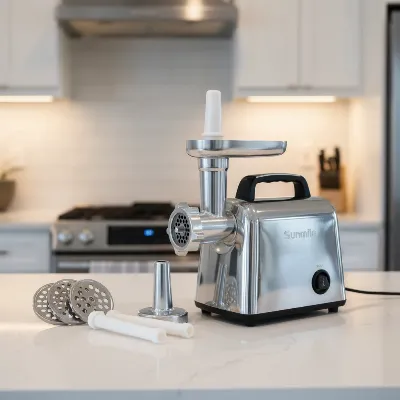 Sunmile SM-G73 Electric Meat Grinder with accessories on a kitchen counter
Cuisinart MG-100 Electric Meat Grinder
The Cuisinart MG-100 is often cited as one of the most affordable electric options from a well-known brand.
- Key Features: Equipped with a 300-watt motor, it includes two cutting plates for medium and coarse thickness, as well as two sausage attachments. It features a simple on/off switch and a reverse function for easy operation.
- Pros: Very budget-friendly, compact for easy storage, simple to use with basic functions, brand recognition.
- Cons: Some users have reported concerns about the durability of certain parts (e.g., aluminum components) and potential for breakage with heavy use. Lower wattage means it might be slower with tougher cuts.
- Ideal For: Beginners or occasional users who prioritize a low price point and a trusted brand for light-duty grinding.
KitchenAid Metal Food Grinder Attachment
If you already own a KitchenAid Stand Mixer, this attachment offers an excellent budget-friendly solution for meat grinding, effectively turning your mixer into a versatile tool.
- Key Features: Made of durable metal, it attaches to the power hub of any KitchenAid Stand Mixer. It typically comes with fine and coarse grinding plates, a food tray, and a food pusher. Some versions also include sausage stuffing tubes.
- Pros: Leverages existing kitchen equipment, saving counter space and money on a standalone unit. Easy to assemble, disassemble, and clean. Durable metal construction.
- Cons: Requires owning a KitchenAid Stand Mixer. The grinding speed and efficiency are dependent on the mixer’s power, which may not match dedicated high-powered grinders.
- Ideal For: KitchenAid stand mixer owners who want to explore meat grinding without investing in a separate appliance.
Weston #10 Manual Meat Grinder
For those who prefer a non-electric option or desire ultimate portability and durability, a manual grinder like the Weston #10 is an excellent choice under $100.
- Key Features: Constructed from heavy-duty stainless steel, designed to clamp securely onto a countertop. It typically includes coarse and fine steel plates, a stainless steel knife, and various stuffing tubes for sausage making. Its robust build ensures longevity and rust resistance.
- Pros: Extremely durable, no power needed (ideal for off-grid or camping), offers precise control over grind, easy to clean with minimal parts, very quiet.
- Cons: Requires physical effort, slower process, not suitable for very large quantities.
- Ideal For: Hunters, campers, or home cooks who prefer a simple, reliable, and portable tool for occasional small batches, or those prioritizing control and longevity over speed.
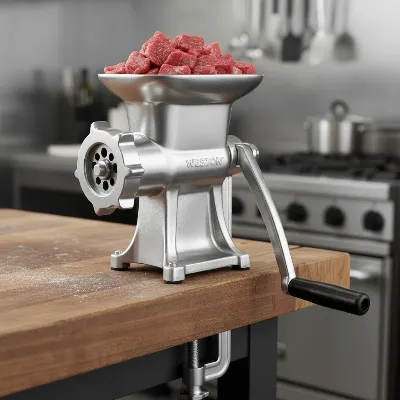 Weston #10 Manual Meat Grinder securely clamped to a wooden counter
Giantex Electric Meat Grinder
The Giantex electric meat grinder is often highlighted for its very competitive price point, sometimes found around $50.
- Key Features: Despite its low price, it often boasts a surprisingly high wattage claim (up to 2800W peak power, though continuous power will be lower). It features durable stainless steel, aluminum alloy, and ABS plastic construction. Includes three grinding plates (fine, medium, coarse), a cutting blade, and occasionally cookie accessories.
- Pros: Exceptionally affordable, decent range of grinding plates, simple to use.
- Cons: The very high wattage claims for this price point should be viewed with skepticism; actual grinding power may be less consistent. Durability may be a concern with prolonged heavy use.
- Ideal For: Absolute beginners on a very tight budget who want to experiment with electric meat grinding for occasional, light-duty tasks.
Cheffano Stainless Steel Electric Meat Grinder
The Cheffano grinder is another budget-friendly electric option, often priced around $90, offering a balance of features.
- Key Features: Made with durable stainless steel, it typically comes with three grinding plates (fine, medium, coarse), a sausage tube attachment, and a reverse switch. It aims for efficient grinding, with some mentions of being able to process a good amount of meat per hour.
- Pros: Good value, decent features including reverse function and multiple plates, stainless steel components.
- Cons: May not be as powerful or durable as higher-priced models, requiring careful meat preparation (trimming sinew).
- Ideal For: Home cooks looking for a reliable electric grinder with essential features for regular, moderate use without exceeding $100.
Coochier Electric Meat Grinder
The Coochier electric meat grinder stands out for its high wattage claims and user-friendly design in the budget category.
- Key Features: Advertised with very high wattage (e.g., 1500W peak power), it aims to offer powerful grinding. It typically includes three cutting plates for different textures, and emphasizes safety with enclosed blades and a meat pusher.
- Pros: Powerful for the price (if peak wattage is indicative of decent continuous power), user-friendly design, safety-conscious features.
- Cons: As with other ultra-high wattage claims in this price range, actual sustained performance can vary.
- Ideal For: Users who want a relatively powerful electric grinder for under $100 and prioritize ease of use and safety features.
How to Use and Maintain Your Budget Meat Grinder
Even the most affordable meat grinder can last for years with proper use and diligent maintenance.
Using Your Meat Grinder Correctly
- Prepare the Meat: Always trim meat of bones, large pieces of gristle, and excessive sinew. Cut meat into smaller, manageable cubes (about 1-inch pieces) that fit easily into the feed tube. For best results, chill the meat (and grinder parts, if possible) in the freezer for 20-30 minutes before grinding until it’s very firm but not frozen solid. This prevents smearing and ensures a cleaner grind.
- Assemble Properly: Follow the manufacturer’s instructions for assembling your specific model. Ensure all parts are securely in place before starting.
- Grind in Batches: Avoid overloading the grinder, especially budget models. Feed meat steadily and use the food pusher (never your fingers) to guide it down. If using an electric grinder, engage the reverse function if you encounter a jam, rather than forcing it.
- Don’t Overwork the Motor: For electric grinders, avoid continuous operation for extended periods, as this can overheat and damage the motor. Allow the machine to rest between batches.
Cleaning and Care Tips
Thorough cleaning after every use is critical for hygiene and extending your grinder’s lifespan.
- Disassemble Immediately: As soon as you finish grinding, disassemble all removable parts. Do not let meat residue dry on the components, as it will be much harder to clean.
- Hand Wash: Most meat grinder parts, especially metal ones, are not dishwasher safe and should be hand-washed. Use warm, soapy water and a brush to remove all meat particles. Pay close attention to the grinding plates and blades, as small bits of meat can hide in crevices.
- Rinse and Dry Thoroughly: Rinse all parts completely to remove soap residue. Immediately dry them with a clean towel to prevent rust, particularly on stainless steel and aluminum parts. Air drying might lead to water spots or rust.
- Lubricate (if applicable): Some manual grinders or specific electric models might benefit from a light coat of food-grade mineral oil on metal parts (like blades and plates) before storage to prevent rust. Check your manual.
- Store Properly: Store all dry parts in a clean, dry place. Many grinders come with accessory storage boxes, which are convenient for keeping components together.
Where to Buy Budget Meat Grinders
Finding a budget-friendly meat grinder is easier than ever with a variety of purchasing options available.
- Online Retailers: Platforms like Amazon, Target, Walmart, and similar e-commerce sites are excellent places to start. They offer a vast selection, competitive pricing, and often user reviews that can help inform your decision. You can easily compare different models side-by-side.
- Department and Appliance Stores: Physical stores like Best Buy, Target, or local appliance retailers may carry a selection of budget meat grinders. While the online selection might be larger, buying in-store allows you to see the product firsthand and speak with sales associates.
- Specialty Kitchen Stores: Occasionally, smaller kitchenware shops might have a limited selection of entry-level grinders or manual models.
- Tips for Buying Online and Offline:
- Read Reviews: Pay close attention to recent customer reviews, especially concerning durability, ease of cleaning, and actual performance for grinders under $100.
- Check Specifications: Verify motor wattage, material composition, and included accessories.
- Compare Prices: Prices can fluctuate, so compare across different retailers.
- Understand Return Policies: Ensure you understand the return policy, especially for online purchases, in case the grinder doesn’t meet your expectations.
Buying Guide: Essential Tips for Under $100
Choosing the best budget meat grinder requires focusing on core functionality and durability. Here are key takeaways to guide your purchase.
- Prioritize Core Features: Don’t get swayed by too many fancy attachments if they compromise the quality of the main grinding mechanism. For under $100, a robust motor (for electric) or solid construction (for manual) with essential grinding plates and perhaps a sausage stuffer is more valuable than numerous, potentially flimsy, extras.
- Scrutinize Materials: Always lean towards models with stainless steel blades and grinding plates. While the body might be plastic or aluminum, these critical cutting components should be durable and rust-resistant for longevity and food safety.
- Consider Manual for Occasional Use: If you only grind meat a few times a year or for small quantities, a manual grinder offers unmatched durability, portability, and excellent value for its price. It eliminates concerns about motor burnout or electrical issues.
- Don’t Expect Commercial Power: Manage your expectations. A meat grinder under $100 will likely not handle large volumes or extremely tough, sinewy cuts as effortlessly as a more expensive, commercial-grade model. Prepping your meat meticulously (chilling, trimming fat and sinew) becomes even more important.
- Look for a Reverse Function: For electric grinders, a reverse function is a non-negotiable feature that significantly enhances usability by helping clear clogs.
- Check Warranty and Support: Even on a budget, a manufacturer’s warranty can save you from unexpected issues. A one-year warranty is standard and offers some protection.
Conclusion
Choosing the best budget meat grinder under $100 in 2026 means making informed decisions, prioritizing key features like durable materials, adequate power (for electric models), and ease of cleaning. Whether you opt for the robust simplicity of a manual grinder like the Weston #10, the versatile convenience of an ALTRA or Sunmile electric model, or the space-saving attachment for your KitchenAid, home grinding empowers you to create fresher, tastier meals. By focusing on your specific needs and the practical aspects of each model, you can confidently select a meat grinder that offers exceptional value and elevates your culinary skills without straining your wallet.
So, are you ready to take control of your ground meat and unlock new possibilities in your kitchen?
Frequently Asked Questions
Can budget meat grinders under $100 handle bones?
No, meat grinders under $100 are generally not designed to handle bones, especially large or hard bones. Doing so can severely damage the blades, grinding plates, and motor (for electric models), voiding the warranty. Stick to boneless cuts of meat.
How often should I clean my meat grinder?
You should thoroughly clean your Meat Grinder immediately after every single use. This prevents meat residue from drying and harboring bacteria, which is crucial for food safety and maintaining the grinder’s performance and longevity.
Are attachments worth it for budget grinders?
For budget grinders, sausage stuffing attachments are often worth it if you plan to make your own sausages. Other attachments like kibbeh makers can also add value if you use them. However, prioritize the core grinding functionality and durability over a multitude of attachments you might not use.
What types of meat are best for home grinding with a budget grinder?
Boneless, slightly chilled cuts of meat with minimal fat or sinew are best for home grinding with a budget grinder. Good options include pork shoulder, beef chuck, chicken thighs, and turkey breast. Always cut the meat into manageable 1-inch cubes.